More About This Card
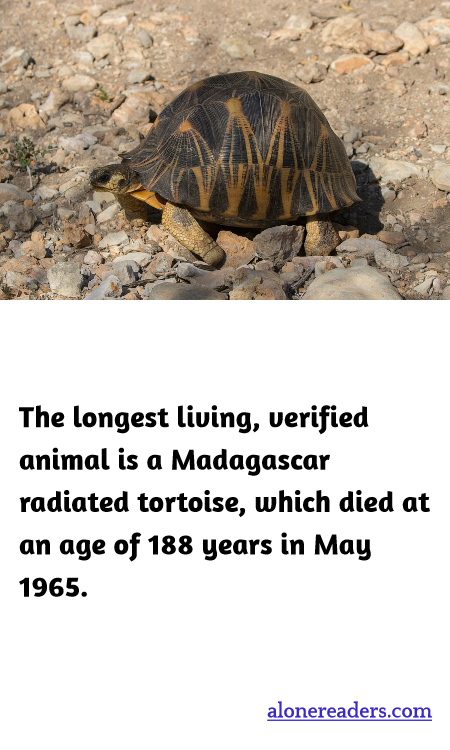
One of the most extraordinary records in animal longevity is held by a Madagascar radiated tortoise which is reported to have lived for a staggering 188 years before passing away in May 1965. This remarkable lifespan makes it one of the longest-lived known animals in the world. Radiated tortoises are known for their striking star-like patterns on their shells and are native to Madagascar. Their impressive longevity can be attributed to their slow metabolism and the relatively stable environments they inhabit.
The life of this particular tortoise offers a fascinating glimpse into the potential longevity of reptiles, which often benefit from evolutionary adaptations like slow metabolic rates that contribute to their extended lifespans. These adaptations allow them to conserve energy and minimize wear and tear on their bodies over the years, factors that are crucial for survival in environments where food supply can be unpredictable.
Understanding the lifespans of creatures like the radiated tortoise not only fascinates those with a keen interest in natural history but also provides valuable insights into the biology and potential longevity of other species, including humans. It poses intriguing questions about the biological limits of life and the possible interventions for age-related diseases and longevity in humans.
Moreover, the story of the long-lived Madagascar radiated tortoise underscores the importance of conservation efforts, especially for species that are endemic to specific regions. The radiated tortoise has been classified as critically endangered due to habitat loss and poaching. Efforts to protect and conserve these animals are vital for their survival and to maintain the biodiversity of the regions they inhabit.
In essence, the tale of this ancient tortoise not only sets a phenomenal record but also highlights the broader implications of animal longevity, both for scientific research and conservation strategies. Protecting such long-living species casts a beacon on the rich and intricate tapestry of life on Earth, reminding us of our responsibility to safeguard these irreplaceable natural heritages for future generations.