More About This Card
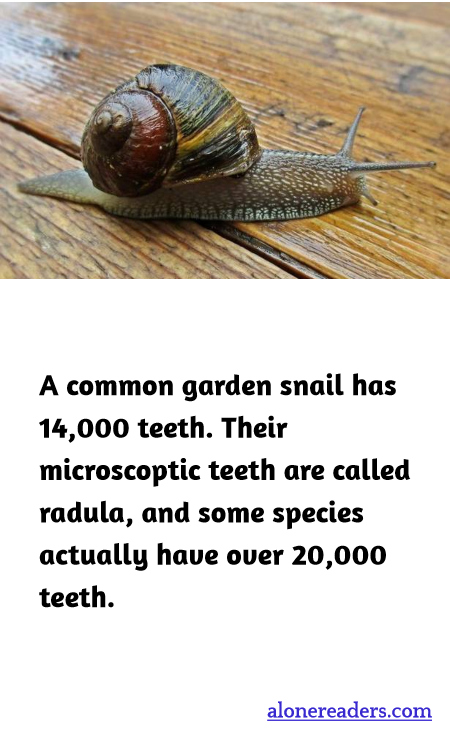
Garden snails captivate with their slow movements and unique dietary habits, but one of their most fascinating features is hidden within their mouths. Surprisingly, a common garden snail boasts approximately 14,000 teeth. These aren't teeth as we commonly understand them but are microscopically small structures called radula. Unlike human teeth, radula aren't used for chewing. Instead, they work more like a file, scraping off food particles from surfaces like leaves, flowers, and even bark.
The radula consists of rows of these tiny teeth, which are made from chitin—a sturdy, protective material also found in many insects. Each tooth is constantly worn down and replaced throughout the snail's life, which means they never have to worry about running out of biting surface. Fascinatingly, some snail species can have even more teeth, with counts exceeding 20,000 depending on their specific diet and environment.
This incredible number is vital for their survival, allowing them to efficiently process a variety of organic materials to extract as much nutritional content as possible. This system is so effective that snails can eat through materials as tough as cardboard and have even been known to inadvertently gnaw through plastic. Their eating habits contribute significantly to the ecosystem, as they help break down decomposing matter and recycle nutrients back into the soil, benefiting the overall health of their environments.
Therefore, while they may not be the flashiest or fastest creatures in the garden, snails play a crucial role in their ecosystems, supported by their unique dental toolkit. This incredible adaptation not only highlights the diversity of nature's designs but also underscores the intricate balance of ecosystems, where even the smallest creatures can have a large impact on their environment.