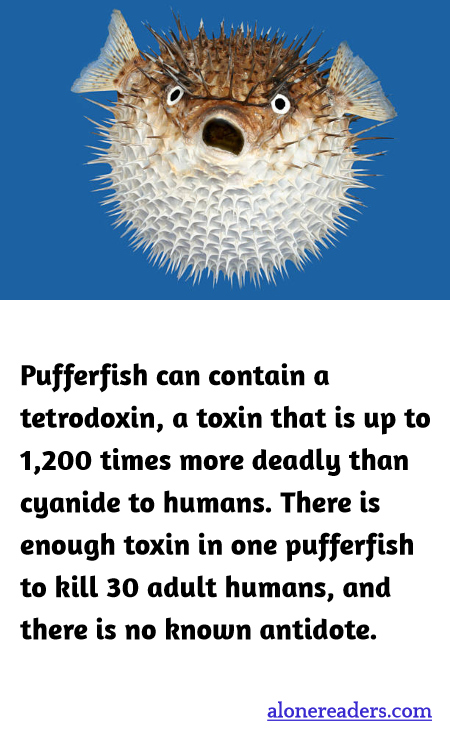
Pufferfish, also known as fugu in Japan, harbor a potent neurotoxin known as tetrodotoxin, making them one of the most poisonous vertebrates in the world. Tetrodotoxin is found in various parts of the pufferfish, including the liver, ovaries, intestines, and skin. This toxin is so lethal that it is about 1,200 times more deadly than cyanide. A single fish has enough toxin to kill 30 adult humans, and the effects of the poison can be devastating.
The toxin works by blocking sodium channels in nerve cells, preventing nerves from firing and leading to paralysis and, in severe cases, death. Symptoms of tetrodotoxin poisoning typically begin with numbness around the mouth, followed by paralysis and, eventually, respiratory failure. What makes this toxin even more fearsome is the lack of a known antidote, which makes immediate medical attention crucial for survival.
Despite its deadly potential, pufferfish is considered a delicacy in Japan and several other countries, often served as sashimi or in a hot pot called fugu chiri. Japanese chefs undergo rigorous training and certification to prepare fugu safely, learning how to remove the toxic parts without contaminating the edible flesh. The allure of fugu may be attributed to its unique taste, texture, and perhaps the thrill that comes from eating something so inherently dangerous.
Given the high risks involved, the consumption of pufferfish is heavily regulated in Japan and many other countries. Only licensed chefs are allowed to prepare and serve fugu to the public, and the import and sale of the fish are closely monitored. These regulations have helped reduce incidents of poisoning, but occasional cases still occur, mostly from amateur attempts to prepare the fish. As with any hazardous food, those who choose to eat pufferfish should ensure it is prepared by someone adequately trained in the delicate art of its preparation.
