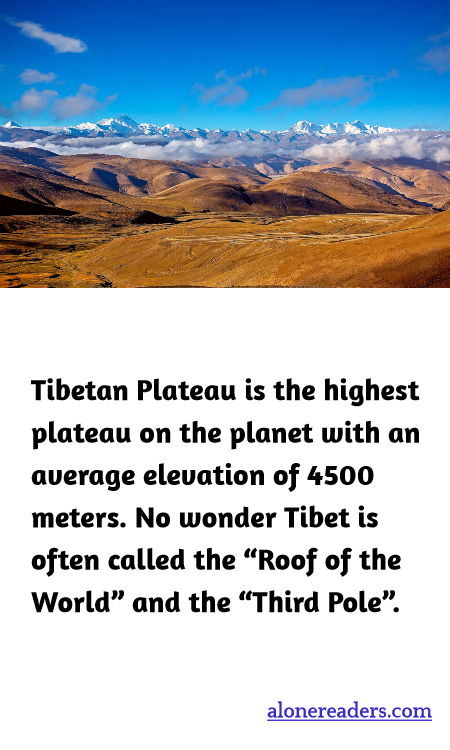
Perched high above the world, the Tibetan Plateau is a vast, breathtakingly beautiful expanse that spans across much of Tibet and parts of China, India, and Nepal. Often referred to as the "Roof of the World" due to its towering average elevation of 4,500 meters, it stands as the Earth's highest plateau. This nickname is aptly complemented by the moniker "Third Pole," highlighting its extreme altitude which closely rivals that of polar regions.
The Tibetan Plateau is not just a geographical wonder but also an ecological treasure trove. It serves as the origin point for some of Asia’s most significant rivers, including the Yangtze, Yellow, Mekong, and Indus Rivers. These rivers are lifelines to billions of people downstream, making the plateau critically important for water supply in the region. The vast reserves of freshwater contained in its glacier fields are another reason why the Tibetan Plateau is often likened to the polar regions, as these glaciers are vital sources of water that sustain life during dry periods.
However, the breathtaking landscapes of the Tibetan Plateau are more than just sources of water; they are also areas of profound spiritual significance and rich cultural history. The region is revered in Buddhist culture and is home to the spiritual city of Lhasa, where one of Buddhism’s most sacred temples, the Potala Palace, resides. This intertwining of natural grandeur and spiritual depth adds a profound layer to the plateau’s global significance.
The Tibetan Plateau's unique climate and geography also foster a distinct ecosystem, characterized by rugged terrain and harsh conditions, which supports diverse and specialized wildlife adapted to the high altitudes and cold climate. Endangered species such as the snow leopard, the Tibetan antelope, and the wild yak roam freely in these parts, many of which are integral to the ecological balance and cultural fabric of the region.
In recent years, the Tibetan Plateau has faced threats from climate change, which is causing its glaciers to melt at an alarming rate. This not only impacts the immediate biodiversity but also threatens the water supply for millions of people residing in the surrounding areas. Efforts to conserve this invaluable environment are more crucial than ever, emphasizing the need for environmental policies that safeguard its future.
Through its natural majesty and cultural importance, the Tibetan Plateau remains a symbol of untouched beauty and resilience. It continues to be a focal point for researchers, conservationists, and spiritual seekers from around the globe, all drawn to its profound mysteries and enduring significance.
