More About This Card
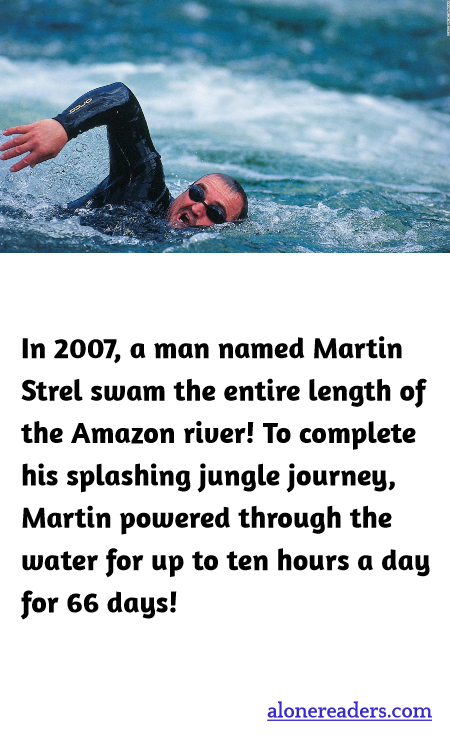
In 2007, the daring Slovenian swimmer, Martin Strel, accomplished an unprecedented feat by swimming the entire length of the Amazon River, a journey that stretched an astonishing 5,268 kilometers (3,274 miles). Known for his endurance swimming, Strel took to the waters of the Amazon to raise awareness about water pollution and deforestation, promoting a message of environmental conservation.
Strel’s journey through the Amazon was anything but serene. Each day, he faced numerous challenges from dangerous wildlife, including piranhas, anacondas, and various parasitic and bacterial infections. His daily routine involved swimming for up to ten hours, a testament to his extraordinary physical and mental endurance. The river’s strong currents and whirlpools added to the complexity of the swim, testing his resilience each step of the way.
The preparation for such a journey was intense. Strel trained extensively, knowing the physical demands and health risks associated with swimming in such a biodiverse and hazardous environment. His support team, which included his son Borut, played a crucial role in his success. They navigated a support boat alongside him, supplied him with food and water, and monitored his health, ensuring he remained physically capable of continuing the journey.
Despite the extreme conditions, Strel remained undeterred. His experience as a marathon swimmer who had previously conquered the Danube, Mississippi, and Yangtze rivers, prepared him for the arduous task. By the end of the 66 days, when Strel finally reached the Atlantic Ocean, he had not just completed the longest swim in history but had also drawn global attention to the ecological treasures of the Amazon and the threats they face.
Martin Strel’s swim along the Amazon remains a monumental achievement in the world of extreme sports and environmental activism. His journey underlines the power of human spirit and resilience, proving that with determination and a cause, anything is possible. His aquatic expedition continues to inspire adventurers and conservationists alike to think creatively about how they engage with and protect our planet’s precious natural resources.