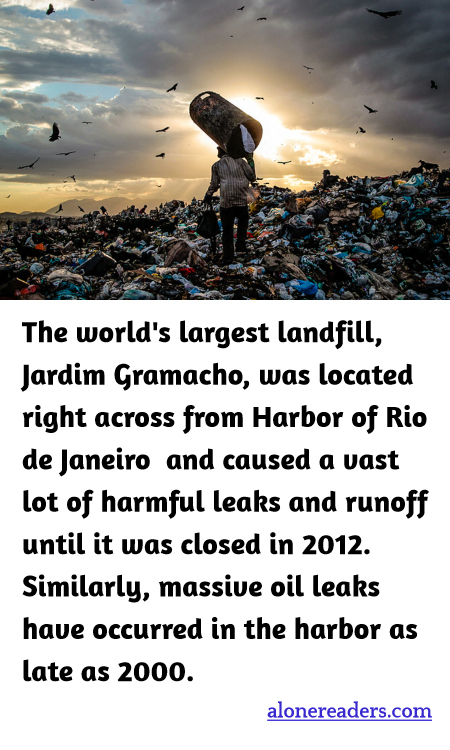
Jardim Gramacho, once the largest landfill in the world, was a monumental testament to the overwhelming problem of waste management. Situated alarmingly close to the Harbor of Rio de Janeiro, the landfill operated for over 30 years, becoming not only a local but a global concern due to its detrimental environmental impacts. Its proximity to such a significant body of water only exacerbated these effects, leading to harmful leaks and runoff that contaminated the harbor and surrounding areas.
The issues at Jardim Gramacho were emblematic of larger systemic failures in handling urban waste. The landfill received thousands of tons of garbage daily, much of it from Rio de Janeiro, a city struggling with rapid population growth and inadequate infrastructure. The accumulation of waste at the site created a hazardous mix of decomposing organic material and non-biodegradable waste, which produced leachate—a toxic liquid that seeped into the ground and the waterways, affecting marine life and the health of local communities.
Moreover, the Harbor of Rio de Janeiro itself has suffered from significant pollution issues, not least due to oil leaks. As recently as 2000, the harbor was the site of major oil spill incidents, exacerbating existing environmental degradation caused by continuous industrial and residential waste discharge. These events have highlighted acute vulnerabilities in environmental management practices and the dire need for stringent regulatory frameworks.
The closing of Jardim Gramacho in 2012 marked a crucial turn in tackling these issues. It came as part of a broader movement toward improved waste management systems in Brazil and around the world, emphasizing recycling, waste reduction, and sustainable disposal methods. The closure aimed to mitigate the immediate environmental risks posed by the landfill and set a precedent for closing similar dumpsites, which contribute significantly to environmental pollution.
Today, the site of the former landfill is undergoing a transformation, with projects focusing on biogas capture from the remaining waste, converting environmental liability into an energy resource. These endeavors not only aim to rectify some of the damage done but also serve as a crucial lesson in the importance of responsible waste management and environmental conservation practices. As cities around the globe continue to grow, the story of Jardim Gramacho and the Harbor of Rio de Janeiro stands as a stark reminder and a call to action to prevent future environmental catastrophes.
