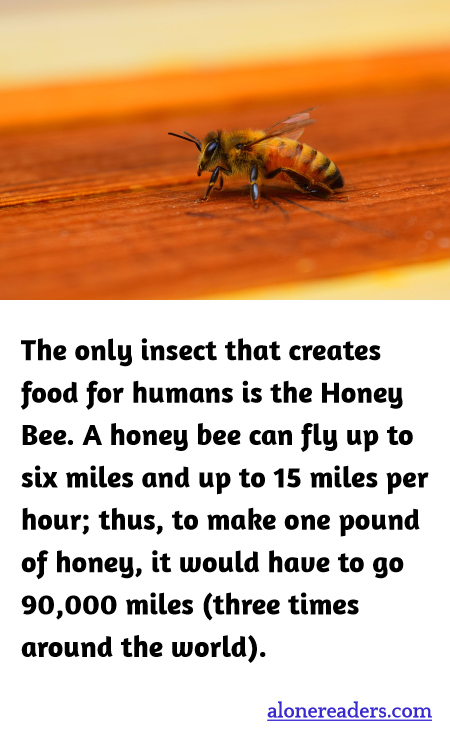
Honey bees are remarkable insects, not only for their indispensable role in ecosystems through pollination but also as the only insect that produces food consumed by humans: honey. These industrious creatures have a flight range of up to six miles from their hive and can travel at speeds of up to 15 miles per hour. The effort that goes into producing even a small amount of honey is monumental. To produce just one pound of honey, a honey bee would have to travel about 90,000 miles – which equates to circling the globe three times. This astounding figure highlights both the tirelessness and efficiency of these tiny workers.
The process through which honey bees produce honey is equally fascinating. Bees collect nectar from flowers using their long, tube-shaped tongues and store it in their extra stomach, or "honey stomach," dedicated solely to honey production. Once back at the hive, this nectar undergoes a transformation process, with bees adding enzymes that break the complex sugars in the nectar into simpler molecules that are less prone to crystallization. The nectar is then repeatedly consumed, digested, and regurgitated until it finally transforms into honey. Once this process is complete, the bees will deposit the honey into the honeycomb and beat their wings vigorously above it to increase air flow and enhance evaporation, thus thickening the honey and preventing fermentation.
Moreover, the benefits of honey extend beyond its sweetness. Honey has various nutritional and medicinal properties. It contains an array of plant compounds, and its antioxidant components help to reduce inflammation and improve heart health. Honey is also widely known for its antibacterial and antifungal properties, making it a natural antiseptic for medicinal uses.
Unfortunately, honey bees face numerous threats, including habitat loss, pesticide exposure, and diseases. Colony Collapse Disorder (CCD), a phenomenon where worker bees abruptly disappear from a colony, has been a significant challenge worldwide, raising concerns about the sustainability of bee populations and, consequently, our global food supply, given their crucial role in pollinating many of the crops humans rely on.
The ongoing effort to protect and preserve honey bee populations is vital, not only to maintain the natural production of honey but also to ensure the stability of ecosystems and the security of our food resources. Awareness and action are essential to support these invaluable insects, enabling them to continue their tireless work that benefits both nature and humanity.
