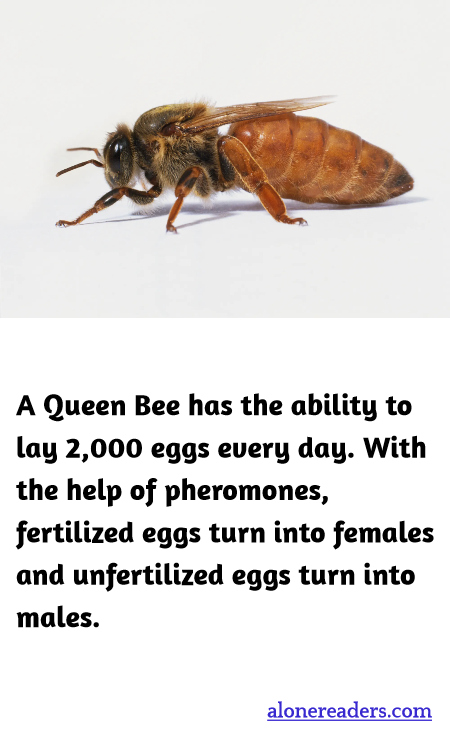
The queen bee is a fascinating central figure in the world of bees, wielding remarkable abilities that ensure the survival and expansion of her hive. Capable of laying up to 2,000 eggs daily, her productivity peaks during the seasons when the hive's needs for growth and maintenance are greatest, typically in spring and summer. This prolific rate of egg-laying is essential for the colony’s rapid development and the replacement of workers, who have relatively short lifespans.
The mechanics behind the gender of the bees is equally intriguing. Bees have a unique method of determining the sex of their offspring. Fertilized eggs develop into female bees, which can be either worker bees or future queen bees, while unfertilized eggs become male bees, known as drones. This process is controlled by the queen bee through selective fertilization—a remarkable natural strategy for population control and genetic diversity. The queen stores sperm in a special pouch called the spermatheca and has the ability to decide whether or not to fertilize each egg as she lays it, depending on the needs of the hive.
Pheromones play a crucial role in the regulation of these activities within the hive. The queen bee produces specific pheromones that help maintain the social structure of the colony. These chemical signals not only influence the development of the bees but also suppress the reproductive capabilities of the female worker bees, ensuring that the queen remains the sole reproducer in the hive. Moreover, these pheromones are vital for the hive's communication and cohesive functioning, helping to coordinate activities such as foraging, defense, and temperature regulation.
Understanding the life cycle of the queen bee and her pivotal role in the hive illuminates just how sophisticated and organized bee colonies are. Her incredible egg-laying capacity and the selective fertilization process are crucial for the sustainability and efficiency of the hive, showcasing a natural example of biological and social order. As researchers continue to study these mechanisms, they unravel more about the complexity of bee societies and the essential role these insects play in our ecosystem, especially in pollination. This remarkable insect, with her unique reproductive strategies and pheromone-driven leadership, truly exemplifies nature’s intricacy and the delicate balances within the environment that support biodiversity.
