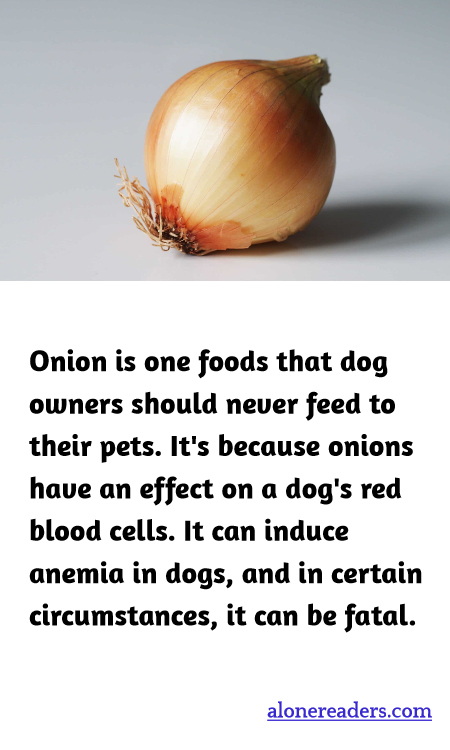
Onions, whether raw, cooked, or in powdered form, contain compounds that can be harmful to dogs. Specifically, onions contain N-propyl disulfide, a substance that can break down a dog's red blood cells, leading to anemia. This condition is known as Heinz body anemia, characterized by the presence of abnormal hemoglobin within the red blood cells. Symptoms of onion toxicity in dogs can range from weakness and lethargy to more severe symptoms like vomiting, diarrhea, and breathing difficulties. In extreme cases, if not treated promptly, the anemia may lead to internal organ damage and could be fatal.
Even small amounts of onion can be dangerous for dogs, so it's important for pet owners to avoid feeding their pets foods that may contain onion ingredients. This includes avoiding not only whole or chopped onions but also foods seasoned with onion powder or cooked with onions. Because some pet foods and treats might have onion flavoring or powder for taste, it's crucial for owners to read ingredient labels thoroughly.
If a dog consumes onion, the effects might not be immediately apparent, as the onset of symptoms related to onion poisoning can vary from case to case. Therefore, if an owner suspects their dog has ingested onion, they should contact a veterinarian immediately. The vet might recommend inducing vomiting or administering activated charcoal, depending on how much time has passed since ingestion.
For the safety of pet dogs, it's essential that owners are aware of all common foods that could pose a risk, including onions. Preventive measures like keeping onions out of reach and being mindful of their inclusion in cooked foods are key steps to avoid accidental ingestion. Regular consultation with a vet about safe dietary practices also contributes to the overall well-being and health of dogs.
