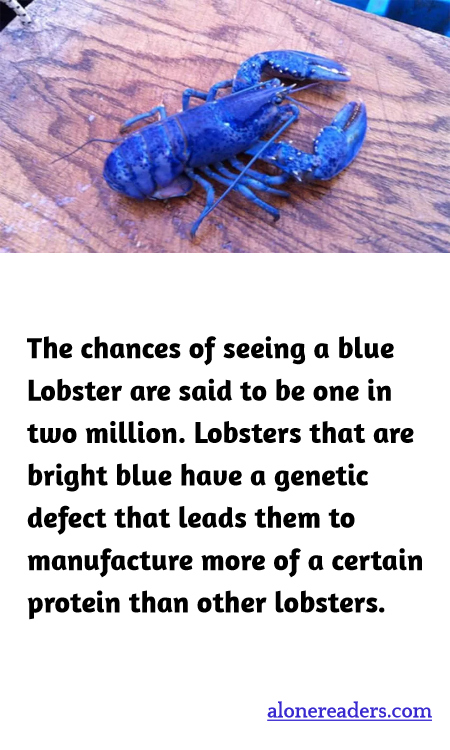
Lobsters, normally shaded a deep olive or green, occasionally surprise fishermen and onlookers alike when they appear in a striking shade of blue. This rare phenomenon, which occurs only once in about two million lobsters, is the result of a genetic anomaly that increases the production of a specific protein. This particular protein binds with a carotenoid molecule known as astaxanthin, which is normally responsible for the reddish pigment observed in most lobsters. In typical lobsters, astaxanthin mixes with protein molecules to form a complex that gives them their usual coloration. However, in blue lobsters, the excess of this unique protein, alters the typical color formation by twisting the carotenoid into a different shape, leading to the vibrant blue hue.
The rarity of blue lobsters makes every discovery a noteworthy event, often stirring excitement both in scientific communities and among the general public. Such lobsters are sometimes gifted to aquariums where they become star attractions, offering researchers and enthusiasts alike the chance to observe these extraordinary creatures up close. Despite their unusual appearance, blue lobsters are identical to their more common counterparts in terms of habitat, behavior, and dietary needs.
Interestingly, blue isn’t the only unusual color that lobsters can sport. There are also yellow, orange, and even white lobsters, each coloration stemming from different genetic variations or dietary factors. For instance, albino lobsters, or those lacking any color, are exceedingly rarer than the blue ones.
While the discovery of a blue lobster is often met with enthusiasm, their unique genetic makeup does not confer any survival advantages. In the wild, their bright blue shell can make them an easy target for predators. However, because lobsters are generally creatures of the deep and tend to dwell in rocky areas where they can easily blend in, their chances of survival are not severely compromised solely by their color.
As uncommon as they are, blue lobsters are a testament to the fascinating diversity and complexity of marine life. This serves as a reminder of the wonders that the oceans hold and the continuous surprises they present to us.
