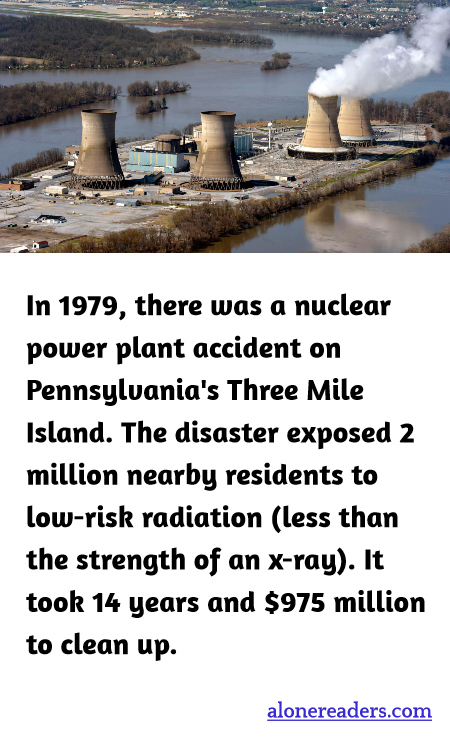
On March 28, 1979, one of the most significant accidents in U.S. commercial nuclear power plant history occurred at the Three Mile Island facility near Harrisburg, Pennsylvania. The crisis began with a malfunction in the plant's cooling system in the Unit 2 reactor, leading to a partial meltdown of the reactor core. This caused the release of radioactive gases and iodine into the environment, creating an atmosphere of fear and uncertainty among the public.
Despite the alarming scenario, the actual exposure of radiation to the approximately 2 million people living in nearby areas was considered low-risk, akin to receiving an x-ray. This comparison, while minimally reassuring in terms of immediate health impacts, did not mitigate the extensive social and psychological ramifications for the residents. The uncertainty and fear led to approximately 140,000 people evacuating the area, though no direct casualties or injuries related to radiation were reported.
The clean-up process at Three Mile Island was both lengthy and costly. It officially began in August 1979 and concluded only in December 1993, spanning 14 years and costing about $975 million, a clear testament to the complex and enduring challenges of addressing nuclear accidents. This extensive period involved removing radioactive fuel and waste, cleaning up contaminated water and structures, and ensuring that the reactor was in a stable, decommissioned state.
This incident not only reshaped regulations and operational practices within the nuclear power industry but also had a profound effect on public opinion regarding nuclear energy in the United States. The heightened awareness and fear significantly slowed the expansion of nuclear power for decades. It catalyzed changes in emergency response planning, reactor operator training, and critical systems design to avoid such accidents in the future. The Three Mile Island accident serves as a crucial lesson in the management and safety protocols necessary in the nuclear power industry and a reminder of the potential consequences of energy production on both a local and global scale.
