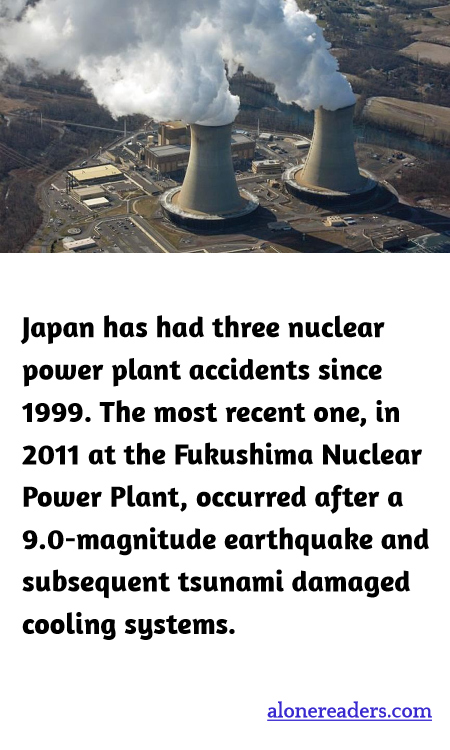
Japan's experience with nuclear power plant accidents highlights the challenges and risks associated with nuclear energy in areas prone to natural disasters. The country has encountered three significant nuclear incidents since 1999, culminating in the catastrophic events at Fukushima in 2011. This disaster has had far-reaching consequences on global nuclear policy and the discussion surrounding sustainable energy sources.
The first of these incidents occurred in 1999 at the Tokaimura nuclear facility, where a criticality accident, caused by improper handling of fuel, led to two fatalities and exposure of several workers to high radiation levels. This incident raised serious questions about safety protocols and regulatory oversight in the nuclear industry. It spurred changes in safety measures and the enforcement of more stringent operational procedures at nuclear plants.
In 2004, another mishap took place at the Mihama Nuclear Power Plant, where a steam explosion killed four workers and injured several others. Investigations found that insufficient inspection and maintenance led to severe corrosion in the plant's piping systems, a direct cause of the accident. This incident further underlined the importance of rigorous maintenance and regular safety checks in preventing industrial accidents.
However, these earlier accidents paled in comparison to the Fukushima disaster in 2011. Triggered by a massive 9.0-magnitude earthquake and a subsequent tsunami that overwhelmed the region, the Fukushima Daiichi Nuclear Power Plant experienced a series of catastrophic failures. The natural disaster disabled the power supply and cooling of three Fukushima reactors, causing a nuclear accident. All three cores largely melted in the first three days. The subsequent release of radioactive materials into the environment led to mass evacuations, significant economic and environmental impacts, and a global reevaluation of the safety of nuclear power.
This incident not only led to a major overhaul of Japan’s nuclear safety regulations but also had wider international repercussions. Countries around the world reviewed their nuclear safety protocols, with some, like Germany and Italy, choosing to phase out their nuclear programs entirely. It highlighted the vulnerability of nuclear facilities to unforeseen natural events and ignited debates over the role of nuclear power in a future sustainable energy mix.
The Fukushima disaster continues to have a legacy that affects displacement policies, energy policies, and debates about how best to meet the world's energy needs without compromising safety. The accidents underline the critical need for continuous improvement in nuclear technology, safety standards, and emergency preparedness, especially in seismically active regions. These events also serve as a grim reminder of the potential consequences of relying heavily on nuclear power, driving interest and investment towards safer, renewable energy sources.
