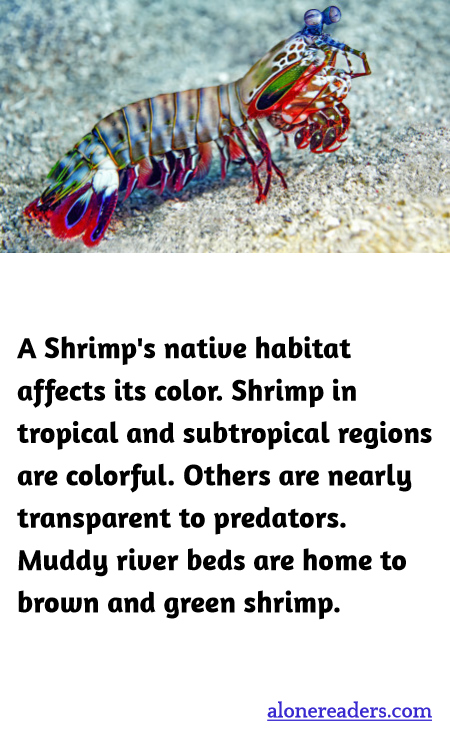
Shrimps are fascinating creatures that showcase an astonishing diversity in coloration and appearance. This variety is largely due to their native habitats and corresponding adaptations, which help them to survive and thrive in their specific environments. For instance, shrimps found in tropical and subtropical waters often flaunt a range of vivid colors. These vibrant hues can serve multiple purposes: from attracting mates to warding off predators with deceptive or warning colors.
In stark contrast, shrimps that inhabit areas with pronounced threats from predators, like clear waters, often evolve to sport nearly transparent bodies. This transparency acts as an effective form of camouflage, rendering them nearly invisible to both predators and prey in the light-filled waters. These clear-bodied shrimps cleverly blend into their environment, making it difficult for predators to spot and target them.
Meanwhile, shrimps that live in darker, murkier environments such as muddy river beds often have brown or green shells. These colors, which closely mimic their environments, serve as excellent camouflage in the dimly lit underwater areas. This not only helps them avoid predators but also aids them in being effective predators themselves, lying in wait for unwary prey to pass by.
The adaptability of shrimp to their habitats highlights an incredible evolutionary journey. Depending on the surroundings, shrimps have developed not only color changes but also behavioral and physiological modifications to enhance their chances of survival. Whether flashing the bright colors of a coral reef or blending into the sediment of a riverbed, shrimps continue to be an excellent example of nature's capacity for adaptation and survival.
