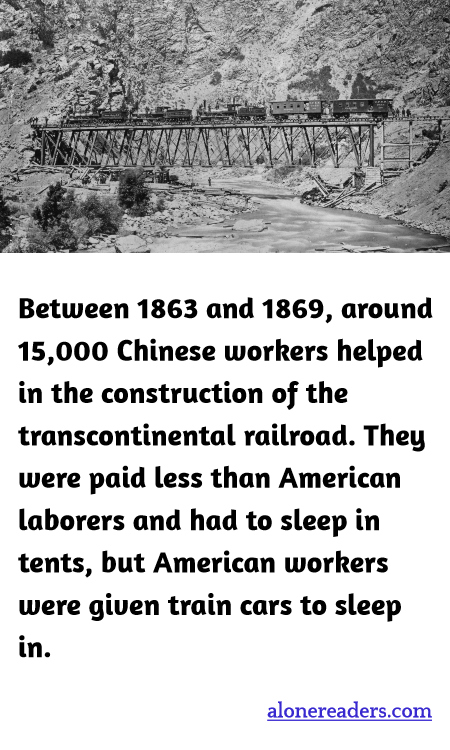
The construction of the transcontinental railroad, a monumental project completed between 1863 and 1869, prominently featured the labor of approximately 15,000 Chinese workers, whose contribution has been both significant yet historically underappreciated. These workers were pivotal in linking the United States from coast to coast, facilitating economic growth and the westward expansion of the American frontier.
Faced with a scarcity of willing American laborers and the daunting physical challenges posed by the Sierra Nevada mountains and harsh desert environments, railroad companies like the Central Pacific Railroad began hiring Chinese immigrants en masse. These laborers were often recruited en masse and were instrumental in some of the most difficult segments of the railway construction. Their work included laying tracks, blasting tunnels through solid granite, and enduring the harsh and often deadly working conditions.
Despite their crucial role, Chinese workers were subjected to substantial inequities compared to their American counterparts. They were typically paid less—usually around $30 per month, out of which they still had to pay for food and other essentials, unlike American workers who received higher wages plus provisions. Additionally, while American laborers were provided with housing in train cars that offered some shelter from the elements, Chinese laborers were often relegated to makeshift tents, exposing them to extreme weather conditions that ranged from blistering summer heat to freezing winter storms.
The discrimination extended beyond wages and living conditions. Chinese laborers frequently faced harsher work assignments and longer hours, and their contributions were often overlooked or minimized in historical accounts for many years. They also faced significant prejudice and legal discrimination, which culminated in the Chinese Exclusion Act of 1882, severely limiting further immigration and naturalization of Chinese people.
However, the perseverance and hard work of these Chinese railroad workers have gradually gained recognition over the decades. Their efforts not only in the physical construction of the railroad but also in the bridging of cultural gaps and the forging of a modern America are now celebrated as an integral part of U.S. history. The anniversary of the railroad's completion, particularly at places like Promontory Summit, Utah, where the famous "Golden Spike" was driven, now often includes acknowledgments of the critical role played by Chinese immigrants.
Despite enduring harsh conditions and facing significant discrimination, the resilience and dedication of the Chinese laborers significantly shaped the development of the United States, laying down not just tracks but also the foundation for a more diverse and interconnected American society. Their story is a poignant chapter in the narrative of America's growth and a reminder of the complexities wrapped up in the nation's expansionist past.
