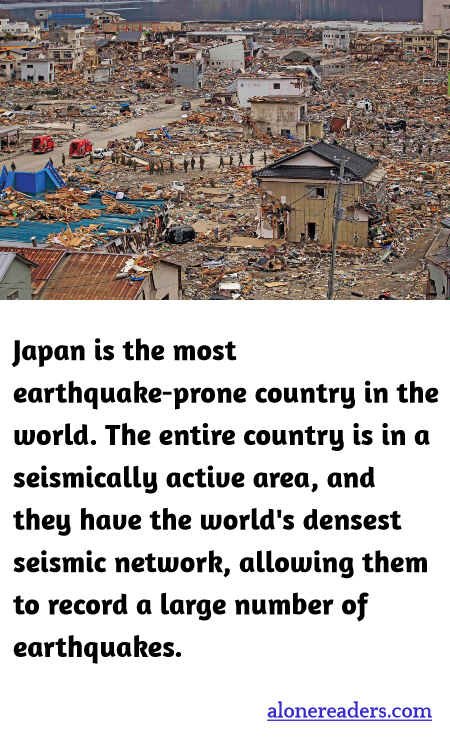
Japan is renowned as one of the most earthquake-prone countries globally due to its location along four major tectonic plates: the Pacific, North American, Eurasian, and Philippine Sea plates. The movements and interactions among these plates generate numerous seismic events. The nation's geological setting puts it squarely on the "Ring of Fire," a path along the Pacific Ocean characterized by frequent earthquakes and numerous volcanoes.
The country has developed the world's densest seismic network, a feat that demonstrates its commitment to monitoring and addressing the risks associated with earthquakes. This network includes thousands of seismic intensity meters and seismographs distributed across the nation, providing critical data in real-time. This technology not only helps in recording and analyzing the tremors but also plays a crucial role in early warning systems. These systems have been crucial in mitigating damage and casualties by providing early warnings to residents sometimes seconds before the actual shaking starts, allowing people and automated systems to take protective actions.
Moreover, Japan's approach to building regulations exemplifies its proactive stance against earthquakes. After the devastating Great Kanto earthquake in 1923, Japan implemented stringent building codes and continued to update them based on the latest research and technology. Modern buildings in Japan are required to be constructed with advanced engineering techniques and materials that can withstand significant shaking. This might involve the use of base isolators, which absorb and dampen the seismic energy, or the incorporation of new materials that are more flexible and resistant to shaking.
Education and regular drills also play vital roles in preparedness. From a young age, Japanese citizens are educated about what to do before, during, and after an earthquake. Nationwide drills are conducted annually on Disaster Prevention Day, which commemorates the anniversary of the Great Kanto earthquake, ensuring that preparedness is ingrained in the national consciousness.
Despite these advanced preparations and technologies, the threat of earthquakes still brings significant challenges and uncertainties. The 2011 Tohoku earthquake and subsequent tsunami, which led to the Fukushima Daiichi nuclear disaster, underscored the complexity and unpredictable nature of managing earthquake disasters. This event prompted further innovations and regulations in not only seismic design but also in resilience planning and disaster management strategies.
In conclusion, while Japan's geographical position makes it highly susceptible to earthquakes, its readiness and advanced monitoring systems exemplify the country's resilience and proactive approach to such natural disasters. Through continuous improvement in technology, regulations, and public preparedness, Japan strives to protect its population and infrastructure from the inevitable occurrence of future seismic events.
