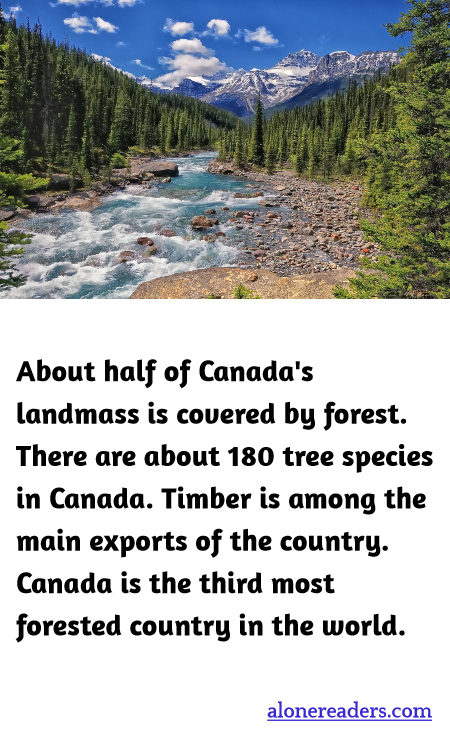
Canada is a country synonymous with vast landscapes and abundant natural resources, among which forests play a critical role. Spanning approximately half of the nation's total landmass, these forests are not only a sanctuary for biodiversity but also a vital component of the country's economy. The rich tapestry of around 180 tree species contributes significantly to the ecological diversity and aesthetic grandeur of the region.
Forests cover a staggering 347 million hectares of Canada, making it the third most forested country globally, only behind Russia and Brazil. This extensive cover provides habitat to wildlife, maintains soil and water quality, and plays a crucial role in the carbon cycle, thus helping in the mitigation of climate change. Among the broad array of species, the forests are dominantly composed of boreal trees like spruce, pine, and fir, which are adapted to the harsher northern climates that characterize much of Canada's woodland areas.
The economic implications of these vast forest resources are profound. Timber is one of Canada's principal exports, a sector that not only bolsters the national economy but also provides employment to over 200,000 people directly and many more in ancillary operations. The forestry industry is essential, contributing billions annually to the national GDP. This includes the export of raw and processed wood products, which are highly sought after in international markets for their quality and sustainability.
Sustainability practices are deeply embedded in Canada's forestry management, with strict regulations ensuring that the exploitation of these woodlands is conducted responsibly. The Canadian government, in collaboration with various environmental organizations, enforces sustainable harvesting practices to protect these vital ecosystems. This includes limiting the amount of timber that can be cut down, promoting the replanting of trees, and employing advanced techniques and technologies that minimize environmental impact.
In conclusion, Canada's forests are not just a natural treasure but also a significant economic asset and a cornerstone of national ecological health. The concerted effort to manage these resources sustainably ensures that they continue to provide ecological, economic, and social benefits for generations to come. As Canada continues to balance economic growth with environmental stewardship, its forests remain emblematic of this ongoing commitment to sustainability and biodiversity conservation.
