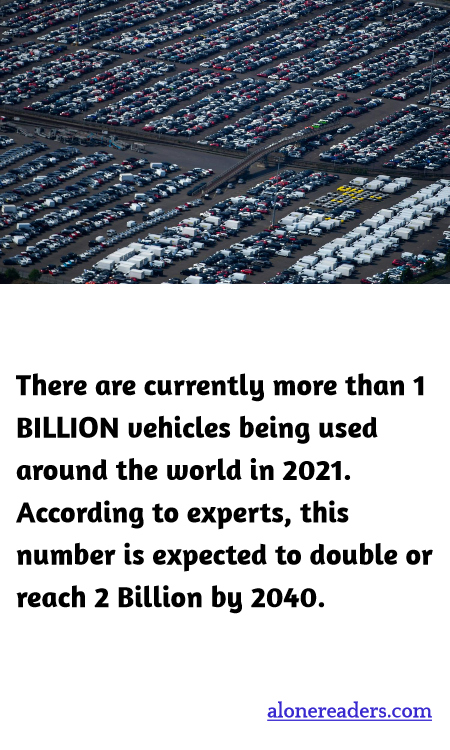
The rapid growth in the global vehicle population, with numbers surpassing 1 billion as of 2021, presents both tremendous opportunities and significant challenges. Experts predict this figure could soar to 2 billion by 2040, reflecting increased demand, especially in emerging economies. This explosive growth is driven by several factors, including rising incomes, urbanization, and the expansion of the middle class in countries like China, India, and Brazil.
However, this escalation in vehicle numbers carries profound environmental and socio-economic implications. On the environmental front, more vehicles mean higher emissions unless there is a significant shift towards electric vehicles (EVs) and other more sustainable forms of transportation. The automotive industry is indeed pivoting toward electric solutions, but the pace may need to quicken to offset the potential doubling of traditional, combustion engine vehicles.
On the socio-economic side, increased vehicle ownership often leads to greater mobility and economic opportunities. Yet, it also can lead to heightened traffic congestion, road safety concerns, and infrastructure that may struggle to keep pace with demand. Governments and urban planners face the daunting task of rethinking transportation policies and city planning to accommodate this potential surge. Strategies may include improved public transportation systems, the promotion of car-sharing schemes, and investment in smart city technologies to manage traffic flow more efficiently.
The potential doubling of the global vehicle fleet by 2040 underscores the pressing need for innovative and sustainable transportation solutions that balance mobility advancements with environmental stewardship and quality of life improvements. This balancing act will require cooperation across international borders, industry sectors, and communities to manage the implications of this growth effectively. Only through collaborative efforts can we hope to address the multifaceted challenges posed by a world bustling with 2 billion vehicles.
