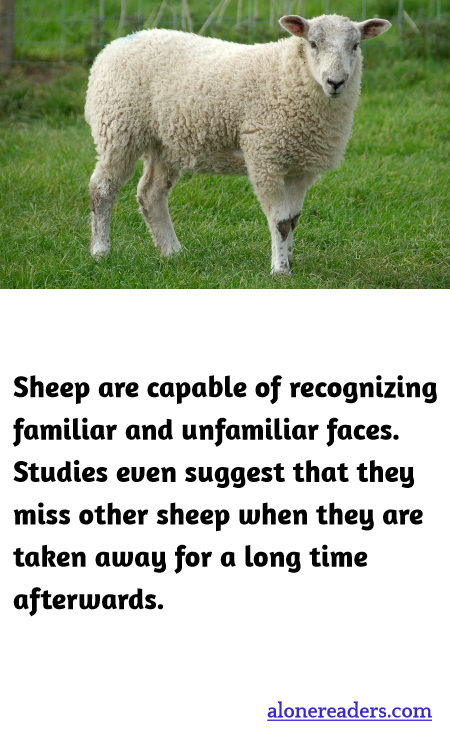
Sheep, often underestimated in their emotional and cognitive complexity, exhibit an impressive ability to recognize and remember faces, both human and ovine. This capability far exceeds rudimentary animal behavior and hints at a richer, more nuanced level of social intelligence. Through various research studies, it has been discerned that sheep can remember up to 50 individual faces for up to two years. This sophisticated level of recognition is facilitated by the sheep’s brain structure, similar in function to that of humans regarding facial recognition.
This ability to identify different faces plays a vital role in a sheep’s social interaction. In their natural setting, sheep are highly social animals, often moving in flocks and basing their survival on group cohesion and communication. Recognizing individual faces helps them to maintain stable social relationships within their group, which is crucial for their overall well-being and survival. It helps in non-verbal communication among the flock, ensuring effective group movement and alert systems against potential threats.
Research also indicates that sheep can differentiate emotional expressions on the faces of their fellow sheep and even humans, which further emphasizes their perceptual acuteness. This sensitivity to emotional states is part of what enables them to form strong, lasting bonds with other sheep. Therefore, when a member of the flock goes missing or is separated for a significant period, it does have a noticeable impact on the rest.
Studies have shown signs of stress such as changes in vocalization patterns, physical activity and even eating behavior in sheep who have been separated from their flock mates. This behavior suggests a sense of loss or longing for the missing members, akin to a feeling of missing a friend or a family member in humans. Such findings challenge the often simplistic view held towards farm animals and underscore the need for humane handling practices that recognize the emotional and social needs of these animals.
The recognition of sheep’s social and emotional capabilities should influence how they are managed in farming practices. Providing an environment that respects their natural behaviors and social structures not only ensures ethical treatment but also promotes healthier, more balanced animals. As research progresses, it becomes increasingly clear that sheep are not just passive creatures in our landscapes but are complex animals with rich emotional lives, deserving of our understanding and respect.
