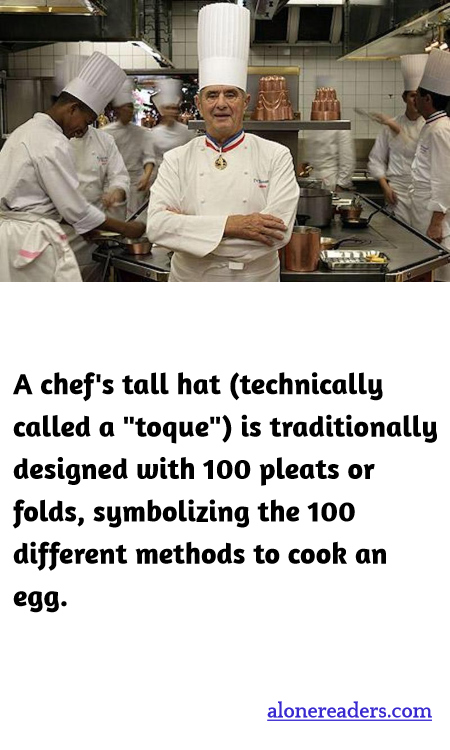
The traditional chef's hat, widely recognized and respected in culinary circles, carries more than just aesthetic value. Known technically as a "toque," this distinctive headdress isn't just for show. It serves several practical functions while holding rich historical significance, with each element telling its unique story about the evolution of culinary arts. Most notably, traditional toques often feature 100 pleats or folds, each representing a different way to cook an egg, showcasing the skill and versatility of the chef wearing it.
The idea that there are 100 different ways to cook an egg might sound like an exaggeration, but it underscores the complexities and the finesse required in the culinary profession. Eggs, with their delicate textures and proteins, can indeed be prepared in numerous ways—from simple methods like boiling, frying, and poaching to more intricate techniques such as curing, sous-vide, and more complex dishes like soufflés and meringues. The pleats in a chef's hat pay homage to this breadth of technique, suggesting that a master chef should have a comprehensive range of cooking skills.
Apart from symbolizing culinary expertise, the toque has practical roles in the kitchen. Its height allows for air circulation, keeping the chef's head cool in the often intense heat of the kitchen. The thick material prevents hair from falling into the food and absorbs sweat, ensuring both cleanliness and comfort. Historically, the height of the toque was also used to signify rank within the kitchen, with higher hats often worn by head chefs.
Even though the strict traditional norms of the toque’s design are less commonly adhered to in modern culinary settings, the chef's hat continues to be a symbol of professionalism and competence. Many chefs wear it with pride, recognizing its iconic status and the sense of tradition it embodies. As the culinary world evolves, the chef’s hat remains a blend of tradition and pragmatism, much like the culinary arts themselves. Whether through the lens of tradition, symbolism, or practicality; the chef’s toque is an essential part of the global gastronomic tradition, encapsulating the art and science of cooking in its pleats.
