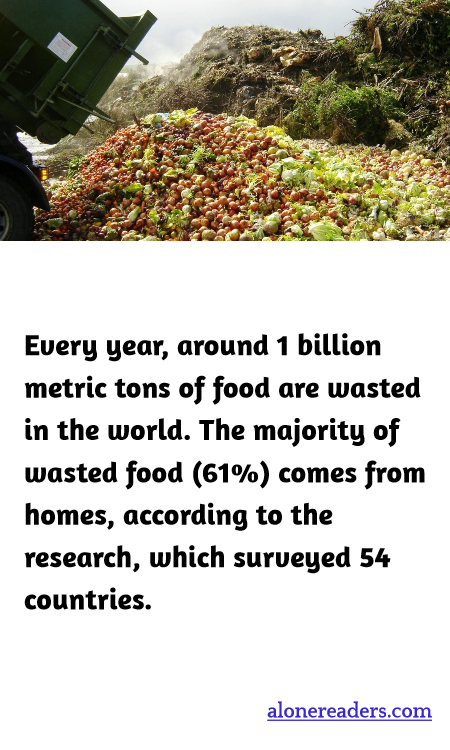
Food waste is a staggering global issue, with around 1 billion metric tons wasted annually. Of this vast amount, a surprising 61% originates not from restaurants, supermarkets, or farms, but from our homes. This finding, derived from surveys conducted across 54 countries, highlights a significant yet often overlooked aspect of the problem: consumer behavior.
The roots of domestic food waste are multifaceted and vary from region to region. In wealthier nations, high standards for cosmetic appearance lead supermarkets and shoppers to reject fruits and vegetables that are perfectly edible yet aesthetically imperfect. In addition, consumers often buy in bulk, lured by promotions and discounts, leading to surplus food that eventually becomes waste. This issue is compounded by a lack of planning regarding shopping and meal preparation, coupled with a poor understanding of food labels, particularly 'best before' dates which are often mistakenly interpreted as safety indicators.
By contrast, in less affluent countries, the issue often lies in inadequate storage facilities and infrastructure deficits, which prevent proper food preservation. However, across both contexts, the end result is the same: vast quantities of food meant for consumption end up in landfills where they contribute significantly to methane emissions, a potent greenhouse gas.
Addressing household food waste requires a dual approach that involves education and infrastructural changes. Consumers need to be more aware of their shopping habits and learn the meaning of food labels. They should also be educated on preserving food and using leftovers creatively, which can significantly reduce the volume of discarded food. On the other hand, governments and industries can improve infrastructure to extend the life of food products, such as better food storage systems and more realistic sell-by dates that encourage use beyond just the appearance of freshness.
The imperative to act is underscored by the broader implications of food waste on climate change and sustainability. As populations continue to grow and resources become more strained, the inefficiency of a food system where over half of the waste comes from individual households cannot be overlooked. It's time to rethink not just what we eat, but how we buy, store, and use our food. The steps we take at home to mitigate food waste are critical in the broader fight against climate change and pivotal in shaping a sustainable future. Such efforts, albeit small in individual impact, can collectively lead to substantial reductions in global food waste. Moreover, they reinforce a culture of consciential consumption that can ripple through societies, influencing larger industry practices and regulatory frameworks. In essence, tackling food waste is not just about waste management; it's about rethinking our relationship with food.
