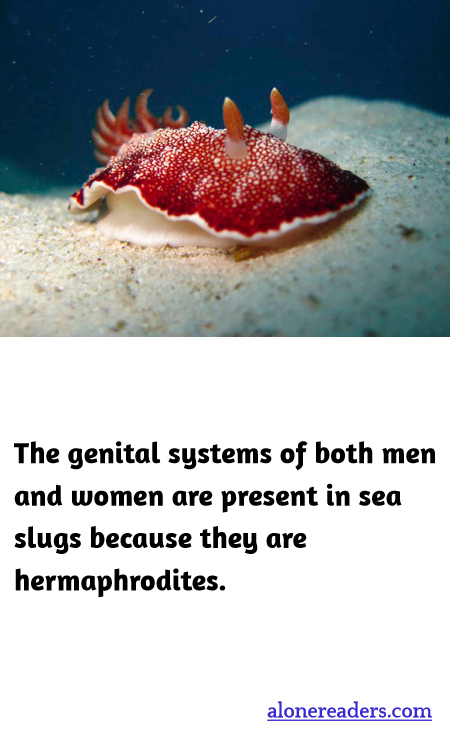
Sea slugs, scientifically known as nudibranchs, represent one of nature's most fascinating adaptations: hermaphroditism. In these creatures, the entire genital system of both males and females coexists within a single individual. This dual reproductive capability significantly enhances their survival and reproduction strategies within their diverse marine environments.
Hermaphroditism in sea slugs allows them to engage in mating with any member of their species they encounter, bypassing the need to search for a mate of the opposite sex. This is particularly advantageous in the sparse marine environments where mates might be few and far between. When two sea slugs meet, they can exchange sperm because both possess male and female reproductive organs. Each slug can then go on to lay fertilized eggs, effectively doubling their reproductive output compared to a non-hermaphroditic species.
The reproductive anatomy of sea slugs includes a set of complex genitalia that can function as both male and female. These organs are typically hidden within the body and only become apparent during the mating process. The act of mating itself is quite a spectacle among sea slugs; it often involves a delicate and synchronized dance which culminates with the alignment of their bodies to facilitate the transfer of sperm.
After mating, sea slugs exhibit intriguing behaviors related to their egg-laying practices. They typically deposit their eggs in ribbon-like structures on the undersides of rocks or other surfaces, providing some protection from predators and environmental factors. This ensures that a maximum number of offspring survive to adulthood.
The hermaphroditic nature of sea slugs is not just a curiosity but a window into the complexities and variabilities of reproductive strategies in nature. It challenges the binary perspectives of gender that are typical of many terrestrial animals, including humans, offering insights into the adaptability and diversity of life forms. In essence, the existence of both male and female genital systems within these colorful marine creatures allows for a resilient and flexible approach to reproductive success in the vast and unpredictable oceanic habitats.
