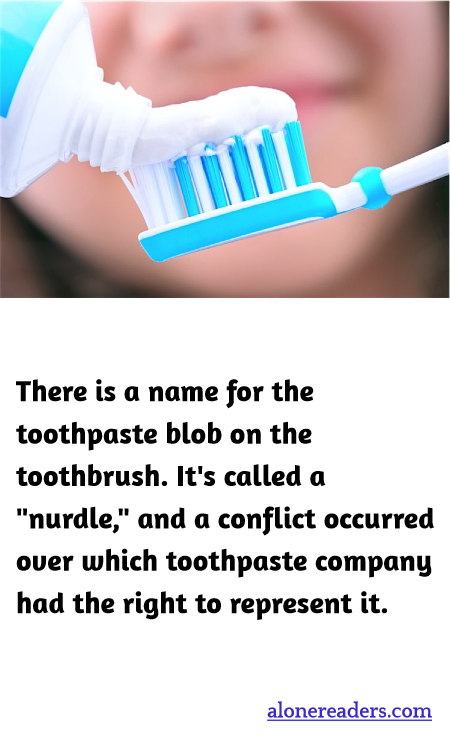
In the world of advertising, even the smallest details can become the center of a significant legal battle. Such was the case with the “nurdle,” the term used to describe the small, wave-shaped blob of toothpaste that is often depicted sitting atop a toothbrush in commercials and print ads. While it may seem like a trivial aspect of toothpaste presentation, the nurdle became the center of a noteworthy dispute between two toothpaste giants, Colgate-Palmolive and GlaxoSmithKline (GSK).
The conflict began when both companies sought to claim the iconic nurdle as a distinctive feature of their own branding. Colgate-Palmolive filed for a trademark for the visual representation of the nurdle on a toothbrush, asserting that it had become a recognizable symbol of their product's effectiveness and appeal. GSK, on the other hand, challenged this claim, arguing that the nurdle was a generic image used widely throughout the toothpaste industry and should not be trademarked by any single company.
The legal tussle highlighted the importance of branding elements in marketing consumer goods. Each company recognized the value of the nurdle in creating an appealing visual representation of their product that promised cleanliness, freshness, and efficacy. By claiming exclusive rights to this image, they aimed to strengthen their market identity and stand out in a crowded marketplace.
Ultimately, the dispute raised interesting questions about the ownership of common design elements in advertising. It underscored the competitive nature of marketing strategies and the lengths to which companies will go to protect their brand identity. The case of the nurdle serves as a reminder of how pivotal and contentious seemingly minor details can become in the efforts of a company to capture and retain consumer interest.
