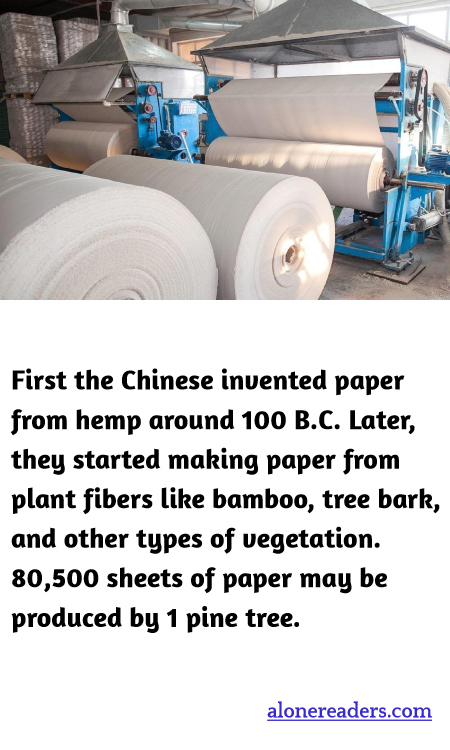
The history of paper starts with a remarkable invention attributed to the Chinese around 100 B.C. Initially, the Chinese artisans crafted paper using hemp, a readily available material in the region. This pioneering method fundamentally changed the way information was recorded and shared, setting the stage for future innovations in papermaking.
As the technique evolved, Chinese papermakers began experimenting with various plant fibers. Bamboo, tree bark, and other vegetal materials were incorporated into the production process. These additional resources not only diversified the types of paper available but also improved the quality and durability of the final product. This versatility played a crucial role in the diffusion of papermaking technology across Asia.
The significance of this invention cannot be overstated. Paper became an essential medium for artistic expression, scholarly communication, and bureaucratic documentation. The explosion of literature and bureaucratic records in ancient China is directly tied to the availability and accessibility of paper. It facilitated the first wave of mass communication, long before the digital age made information globally accessible.
In more recent times, the scale of paper production has grown exponentially. A single pine tree, for example, can yield about 80,500 sheets of paper. This statistic not only highlights the efficiency of modern papermaking techniques but also underscores the substantial demand for paper in contemporary society. Despite the rise of digital communication, paper continues to hold significant economic and cultural value.
The ongoing reliance on paper underscores the need for sustainable practices in paper production and consumption. Recycling and responsible sourcing of raw materials are critical factors in reducing the environmental impact of papermaking. By continuing to refine these processes, we can honor the legacy of the ancient Chinese inventors while ensuring that paper remains a viable and responsible choice for future generations.
