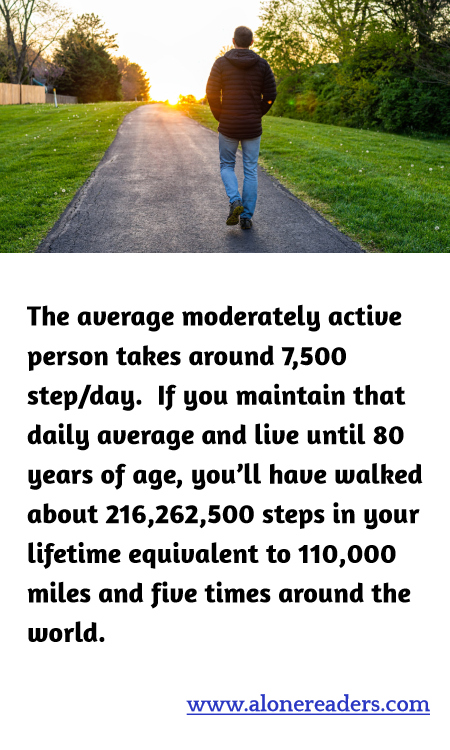
Walking is not just a simple activity but a fundamental part of human mobility and overall well-being. The average moderately active person who walks about 7,500 steps per day undertakes a journey in their lifetime that is both extensive and impactful. By maintaining this average up to the age of 80, one would have walked approximately 216,262,500 steps. This is not just a number; it translates to walking about 110,000 miles — equivalent to circling the world five times.
This extensive distance highlights the extraordinary capabilities and endurance of the human body. Walking, a low-impact exercise, offers numerous health benefits beyond the physical realm. It aids in maintaining a healthy weight, strengthening muscles and bones, and reducing the risk of chronic diseases such as heart disease, type 2 diabetes, and some forms of cancer. Moreover, it is also beneficial for mental health, as regular walking has been shown to reduce symptoms of depression and anxiety.
Moreover, reaching a high number of lifetime steps could also contribute significantly to environmental sustainability. By choosing to walk instead of using motorized vehicles for short distances, individuals can reduce their carbon footprint, contributing to less air pollution and a decrease in the release of greenhouse gasses. This conscious decision not only benefits one's health but also contributes to the health of our planet.
Additionally, walking fosters social interactions and community connections. Walking through one's neighborhood or in local parks provides opportunities to meet others from the community, enhancing social ties and contributing to a sense of belonging and community spirit.
In conclusion, walking is more than just a mode of physical activity; it's a facet of daily life that offers extensive benefits. As illustrated, reaching a lifetime total of over 200 million steps and 110,000 miles underscores the profound impact regular walking can have on personal health, environmental sustainability, and community well-being.
