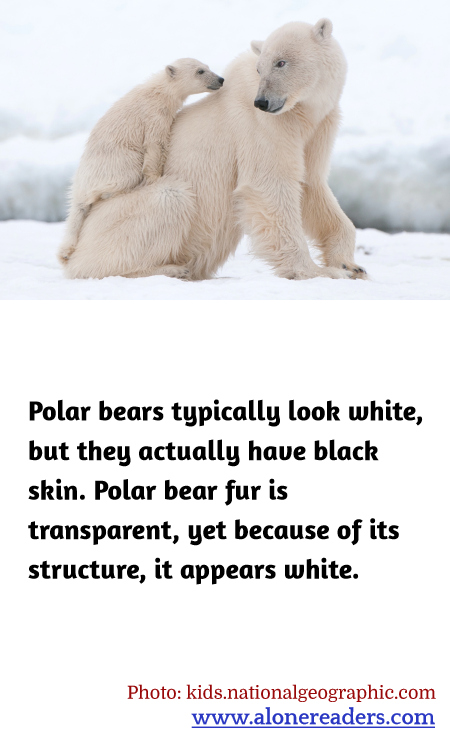
Polar bears, the majestic creatures of the Arctic, exhibit an extraordinary adaptation that makes them both fascinating and remarkably suited for their frosty environment. Despite their seemingly white appearance, which blends seamlessly with their icy surroundings, polar bears possess black skin beneath their fur. This fact might come as a surprise, given their stark white appearance viewed from a distance.
The fur of a polar bear, which plays a critical role in its survival, is not actually white but transparent. Each individual hair is hollow and clear, lacking in pigment. This structural feature of the fur plays a crucial role in the bear's ability to survive in Arctic temperatures. The transparency and hollow nature of the fur strands capture and channel sunlight directly to the black skin. Since black absorbs more sunlight than any other color, the bear's skin can soak up heat, helping these enormous animals stay warm in the chilling Arctic weather.
The illusion of the polar bears' whiteness is created by the fur’s structure scattering and reflecting visible light. Much like snow reflects light, so does polar bear fur, making the bears appear white or even yellowish sometimes, depending on the lighting conditions and the cleanliness of the fur. This camouflage is vital for hunting seals and for protecting themselves from potential predators.
Moreover, the thickness and density of the fur add an additional layer of insulation. Beneath the fur, a thick layer of fat, sometimes measuring more than 4 inches thick, provides buoyancy and further insulation. This adaptation not only keeps the polar bear warm but also gives them a high degree of floatation while swimming, which is essential for traveling across expansive stretches of water and ice.
These remarkable adaptations highlight the fine balance of the polar bear's ecosystem and underline the impacts of climate change. As Arctic ice continues to diminish, polar bears are facing challenges in finding food, mating, and maintaining the delicate thermal balance necessary for their survival. The resilience of polar bears is being rigorously tested by global warming, affecting their natural habitat and pushing these magnificent animals towards vulnerable circumstances. Therefore, understanding and preserving their environment is crucial, not only for the sake of polar bears but also for the Arctic ecosystem as a whole.
