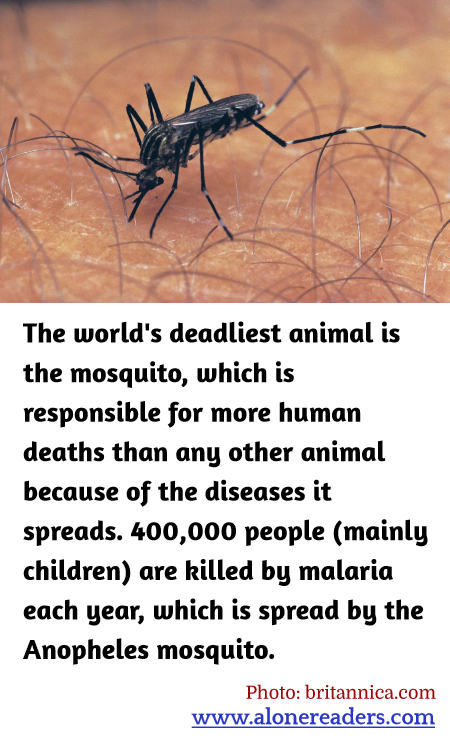
Mosquitoes are often dismissed as mere nuisances, but they are in fact the deadliest creatures on Earth when it comes to the toll they take on human life. These small insects are vectors for a multitude of serious diseases, most notably malaria, which alone claims the lives of approximately 400,000 individuals annually, many of whom are children in sub-Saharan Africa. The Anopheles mosquito, in particular, is notorious for its role in the transmission of malaria. It carries the parasite Plasmodium, which is injected into the human bloodstream through the mosquito’s bite.
Beyond malaria, mosquitoes are also carriers of several other life-threatening diseases including Zika virus, West Nile virus, Chikungunya, Yellow Fever, and Dengue Fever, each posing significant health risks in various parts of the world. The global impact of these diseases is enormous, affecting millions of people and overwhelming health systems in many developing countries.
Control measures such as the use of insecticide-treated bed nets, indoor spraying with insecticides, and the implementation of community-wide source reduction can significantly reduce the incidence of these diseases. Advances in genetic engineering, such as gene drive technology which can spread a gene rapidly through a population, are also being explored as methods to control or possibly eradicate mosquito populations that carry these deadly diseases.
Despite these efforts, the fight against mosquito-borne diseases faces numerous challenges, including the development of resistance by mosquitoes to insecticides and by parasites to antimalarial drugs. Climate change also plays a role, as it could potentially expand the habitable range for disease-carrying mosquitoes into more temperate regions, thus increasing the geographical scope of these diseases.
The threat posed by mosquitoes is both a public health issue and a socioeconomic one, particularly in the poorest regions of the world where healthcare infrastructure may be lacking. Continued research, funding, and community engagement are crucial for combating the global health threat posed by the deadliest animal on the planet. As we develop better preventive measures and treatments, it remains important for communities worldwide to stay informed and proactive in reducing exposure to mosquito bites, thus diminishing the risk of infection.
