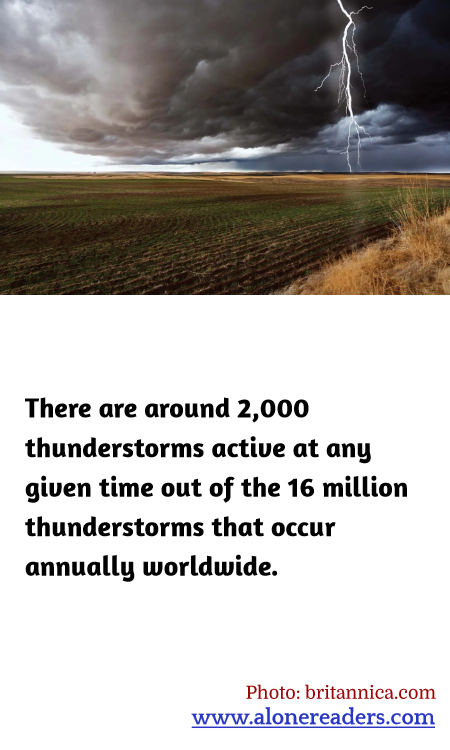
Thunderstorms are one of nature’s most frequent yet awe-inspiring phenomena, with around 16 million thunderstorms occurring around the globe each year. At any given moment, approximately 2,000 thunderstorms are happening across various parts of the world. These storms play a crucial role in the Earth's atmospheric dynamics and have significant effects on the environment.
The genesis of a thunderstorm is primarily due to the heating of the Earth’s surface, leading to the rising and cooling of moist air. This process can create a cumulonimbus cloud, often towering tens of thousands of feet into the atmosphere, which is the primary engine behind a thunderstorm. These clouds can produce not just rain and lightning, but also tornadoes, hail, and gusty winds, contributing to their potential for devastation.
Lightning, a hallmark feature of thunderstorms, is a powerful electrical discharge made during these storms. It is a captivating display of nature's power, capable of heating the air through which it passes to temperatures three times hotter than the surface of the sun. The Earth experiences about 100 lightning bolts every second, with these fierce bolts playing a crucial role in nitrogen fixation, which helps maintain the balance of essential nutrients in the soil.
The distribution and intensity of thunderstorms are uneven around the globe, heavily influenced by geographical location and seasonal patterns. The tropical regions, especially those near the equator, experience the most frequent thunderstorms, mainly because of the high heat and humidity in these areas, which are ideal conditions for thunderstorm formation. In contrast, colder regions witness far fewer storms.
The occurrence of thunderstorms is not just limited to providing a spectacle or the nourishment of the soil. They have significant impacts on human activities and structures. Each year, thunderstorms cause billions of dollars in damage, disrupt transportation networks, and lead to numerous fatalities. For instance, in agriculture, while the water provided by storms is beneficial, the accompanying winds, hail, and flooding can be destructive to crops.
Understanding and predicting thunderstorms is therefore crucial for preparedness and minimizing their adverse impacts. With advancements in meteorology and technology, forecasting has improved, but much remains to be learned about managing and potentially mitigating the full impact of these powerful natural phenomena. While they are a natural part of our weather system, increased understanding and respect for thunderstorms are essential as we continue to live alongside these dynamic and powerful weather events.
