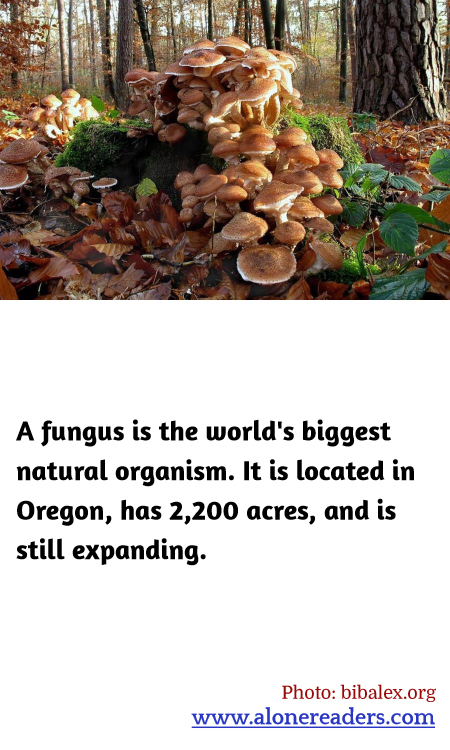
Tucked away in the Blue Mountains of eastern Oregon lies an astonishing natural marvel that few people know about. This organism, a fungus called Armillaria ostoyae, or more commonly known as the honey mushroom, spans approximately 2,200 acres, making it the largest living organism by area on the planet. Discovered in 1998, its expansive mycelial network weaves unseen beneath the forest floor, influencing the ecosystem in profound ways.
The Armillaria ostoyae primarily thrives by decaying wood, making it both a vital part of the forest's ecological balance and a significant pathogen to trees. It spreads out its filaments, known as hyphae, to decompose and extract nutrients from dead and dying trees across an area as large as 1,665 football fields. Astonishingly, estimates suggest that this single entity could be thousands of years old, possibly making it one of the oldest living organisms as well.
The revelation of such a vast and interconnected network has provided new insights into the secretive lives of fungi. The ability of Armillaria ostoyae to spread over such a vast area and manage a complex web of life-sustaining processes is both fascinating and a little unsettling. It represents an unseen force of nature that quietly orchestrates life and decay on a monumental scale.
This fungus's massive presence raises captivating questions about the nature of what constitutes an individual organism and how we understand biological systems. Studies of the Oregon fungus have inspired researchers to reconsider how organisms interact with their environments and how seemingly solitary entities can dominate landscapes and ecosystems.
Research on Armillaria ostoyae also carries implications for forest management and disease control in woodlands. Understanding how it spreads and manages to kill trees could help develop more effective strategies for managing forests and controlling diseases that threaten vegetation and, by extension, wildlife.
In the realm of natural wonders, the world’s largest fungus stands out not just for its sheer size but for the intricate and hidden connections it fosters. It challenges our views on biological and ecological individuality and interdependence, urging us to look beneath the surface for the unseen networks that underpin life on Earth. As it continues to grow and exert its influence on the Oregon forest, the Armillaria ostoyae remains a symbol of both the beauty and complexity of nature.
