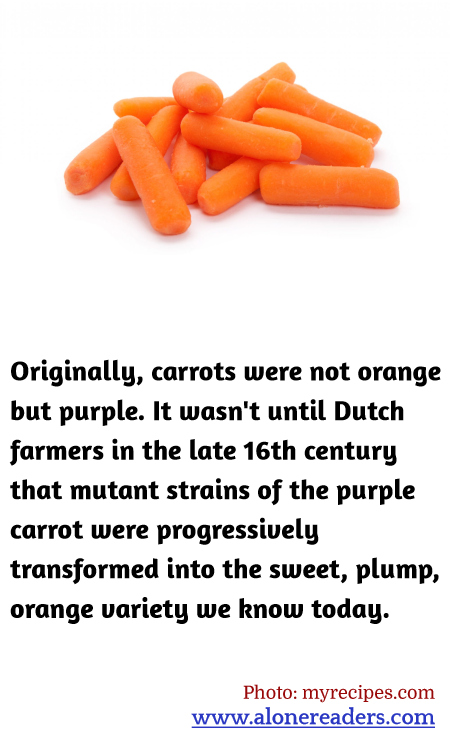
Carrots, as we commonly recognize them with their bright orange hue, have a vibrant history that stretches back to their original form which was, interestingly, not orange at all. The earliest varieties of carrots were predominantly purple, along with some pastel varieties like white and yellow, and were first cultivated in the region now encompassing Afghanistan around the 10th century. These early carrots then spread to the Mediterranean and beyond, gradually becoming a staple in a variety of cuisines.
The transformation of the carrot's color to the familiar orange we know today was a development that took place in the late 16th century by Dutch farmers. During this period, the orange carrot emerged as a result of selective breeding, specifically of yellow carrots with mutant strains exhibiting a unique orange pigment. It is widely believed that this endeavor was partly motivated by political reasons; orange being the color of the Dutch Royal Family, the House of Orange-Nassau. Farmers might have cultivated the orange carrot as a tribute to William of Orange, who led the Dutch struggle for independence.
The orange carrot not only became popular for its vibrant color but also for its improved sweetness and texture compared to its purple predecessor. Moreover, the orange variety contains high levels of beta-carotene—an important dietary source of vitamin A—whereas purple carrots contain anthocyanins, which have different nutritional benefits. This selective breeding which focused on traits like sweetness and color inadvertently led to the orange carrot we are familiar with in our grocery stores today.
Over time, the popularity of the orange carrot spread worldwide, overshadowing the original purple variant. However, in recent decades, there has been a resurgence of interest in heirloom vegetables, leading to the increased availability and popularity of purple carrots once again, along with a wide array of other colors. These heirloom varieties, celebrated for their unique flavors and nutritional profiles, encapsulate a rich history of agricultural development and remind us of the incredible adaptability of cultivated plants.
