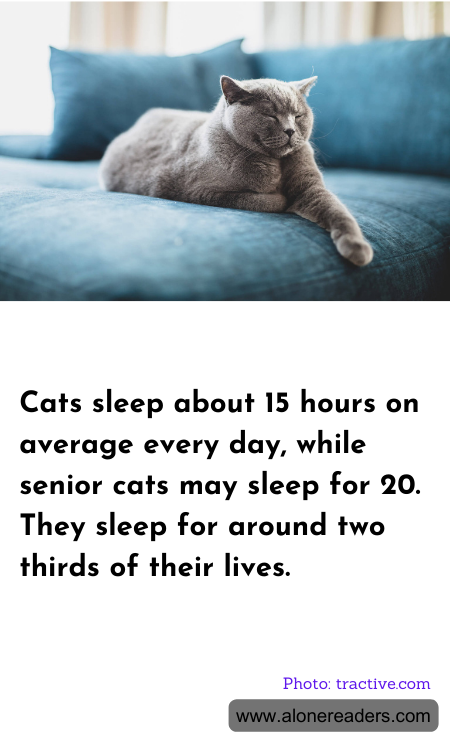
Cats are well-known for their love of sleep, often spending an average of 15 hours a day in slumber. This might seem excessive to the busy human observer, but for cats, it’s a natural and essential part of their lifestyle. In fact, older cats can sleep even more, averaging up to 20 hours a day as their energy levels naturally decline. Over the course of a lifetime, a cat can spend about two-thirds of its existence in a state of sleep.
This predilection for rest is rooted in the evolutionary biology of felines. In the wild, cats are predators, relying on quick bursts of energy to hunt their prey. This hunting method is energy-intensive, despite being brief, and a high amount of sleep is necessary to conserve energy and restore their bodies. House cats, though not required to hunt, still retain this natural instinct to gather and conserve energy through prolonged periods of sleep.
Moreover, the sleeping patterns of cats are quite different from humans. Cats are crepuscular, which means they are most active during the dawn and dusk. The rest of the day, especially when it is bright and noisy, is a perfect time for them to retreat and rest. During their sleep, cats often experience both light and deep sleep phases including REM sleep, where dreaming occurs. This cycle helps them stay ready and alert for any immediate threats or opportunities, aligning with their predatory instincts.
Additionally, sleep is crucial for cats’ overall health. It helps in muscle repair, stress relief, and growth in younger cats. The fact that senior cats sleep more is a reflection of their reduced energy requirements and slower pace of life.
Understanding a cat’s need for extensive periods of sleep aids pet owners in creating a comfortable and supportive environment for their feline companions. Rather than being a sign of laziness, a cat’s sleep is a complex, instinctive behavior that supports their physical health and predatory nature. This makes the peaceful sight of a sleeping cat not just a moment of rest, but a link to the fascinating natural history of these beloved creatures.
