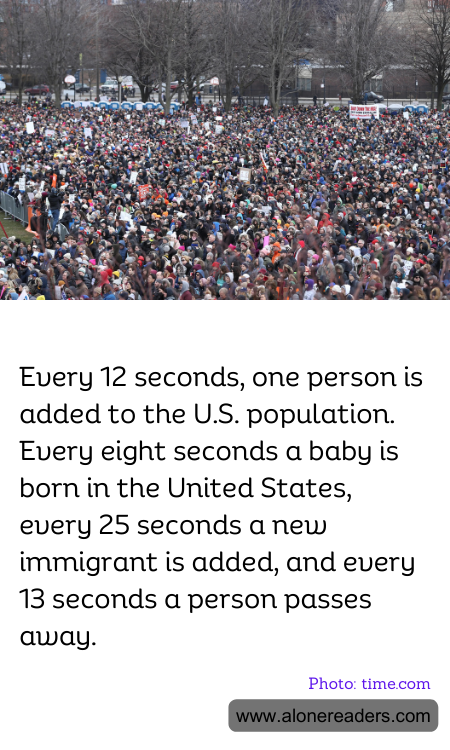
The dynamics of demographic changes within the U.S. highlight rapidly changing patterns that significantly shape social, economic, and political landscapes. Every 12 seconds, the population of the United States grows as a new person is added, illustrating the continuous and multifaceted nature of demographic evolution. This growth stems mainly from births and immigration, presenting both challenges and opportunities.
Approximately every eight seconds, a new baby is born in the United States. This rate indicates a robust birth rate that contributes to the workforce renewal, drives consumption, and underpins the long-term sustainability of social security systems. Furthermore, these new births help to balance the aging population, as a younger generation gradually replaces the elderly. However, it also imposes demands on resources such as healthcare, education, and childcare services, pressing policymakers to plan effectively for future growth.
On the other end of the spectrum, every 13 seconds, the U.S. records the passing of an individual. The death rate, complementing birth rates, influences the overall population structure, affecting dependency ratios and potentially straining public resources and pension systems designed to support the aging populace. It paints a picture of a nation where the elderly population continues to grow, underscoring the need for robust healthcare services and age-friendly urban planning.
Adding another layer to these dynamics is immigration, with a new immigrant added approximately every 25 seconds. Immigration is a significant growth driver and brings about increased cultural diversity and innovation. Immigrants often fill essential roles in the economy, from high-skill jobs in technology and healthcare to critical labor in agriculture and service sectors. However, it also introduces challenges such as the need for integration policies, education, and potential social tensions.
Together, these statistics narrate the ongoing story of a constantly evolving society, where demographic shifts are rapid and impactful. Understanding these changes is crucial for effective governance and social planning, ensuring the nation adapts accordingly to maintain sustainability and quality of life for all its residents. As the U.S. continues to grow and change with each passing second, it stands as a testament to the dynamism and resilience of its diverse population, each second painting a small part of a larger picture that defines the contemporary American experience.
