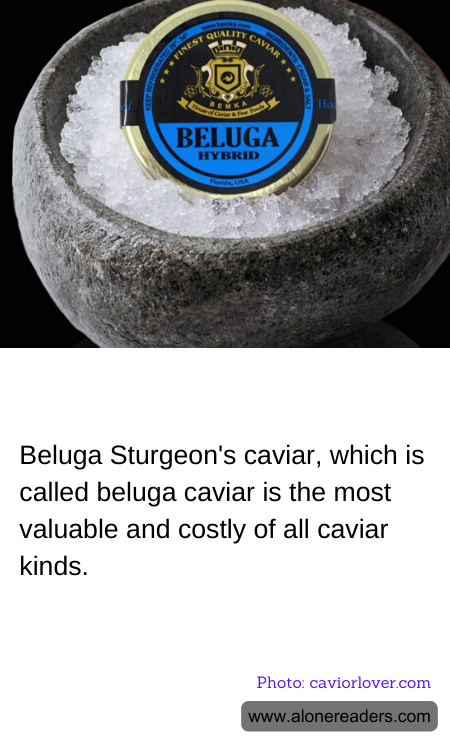
Beluga caviar is renowned as one of the most luxurious and expensive delicacies in the world. Harvested from the Beluga sturgeon, primarily found in the Caspian Sea, this caviar is highly prized for its large, silky, and smooth grains that range in color from dark gray to a light, pearly gray. The beluga sturgeon, scientifically known as Huso huso, is one of the oldest and largest sturgeon species, with some individuals growing up to several meters in length and living for well over 100 years.
The rarity and high cost of beluga caviar can be attributed to several factors. The beluga sturgeon takes up to 20 years to reach maturity, which means that the harvesting of the eggs is a long-awaited process. Furthermore, overfishing and environmental degradation have led to a significant decline in sturgeon populations, prompting strict regulations and bans on wild sturgeon fishing in many parts of the world. This scarcity of wild sturgeon has driven up the price of the caviar even further.
Farming practices have been established to sustainably produce beluga caviar without damaging wild populations, but these aquafarms must adhere to high standards to nurture a product that meets the quality of the wild counterpart. The farming process is lengthy and resource-intensive, contributing to the caviar’s exclusivity and high price point.
As a gourmet item, beluga caviar is often served simply on a small blini or a slice of toasted bread, paired with a dollop of crème fraîche to enhance its rich, buttery flavor without overshadowing it. The preparation and presentation of beluga caviar are generally minimalistic to highlight its natural taste and luxurious texture.
For those who choose to indulge in this sumptuous treat, beluga caviar offers a unique culinary experience that celebrates the intersection of natural rarity, careful conservation, and culinary tradition. Its status as a symbol of opulence and indulgence in the culinary world remains unchallenged, making it a coveted item for special occasions and a cherished gift among gourmands.
