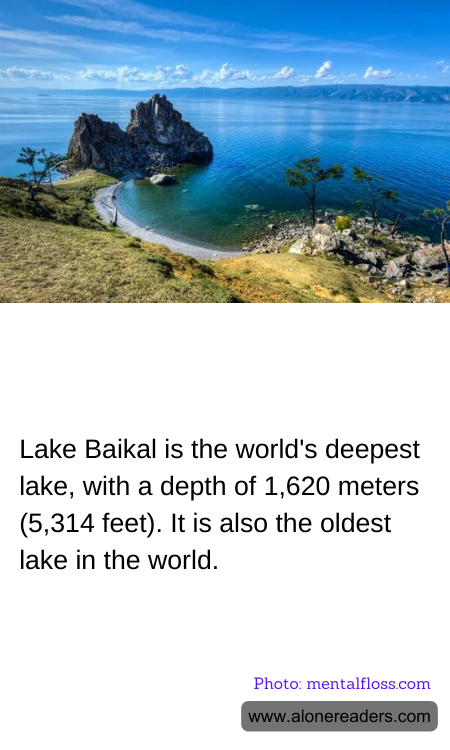
Lake Baikal, nestled in Siberia, Russia, is not only the world's deepest lake but also holds the title as the oldest lake, estimated to be around 25 million years old. Its impressive maximum depth of 1,620 meters (5,314 feet) makes it a significant natural reservoir, containing about 20% of the world's unfrozen freshwater reserve. This makes Baikal larger by volume than all of the North American Great Lakes combined.
The lake is considered a world heritage site due to its diverse and unique biosphere. Baikal is home to thousands of species of plants and animals, many of which are endemic to the area. For instance, the Baikal seal or nerpa, is the only freshwater seal in the world, a mystery to scientists given the lake’s vast distance from any ocean. The surrounding area, influenced by a range of climatic and geological forces over millions of years, offers a unique ecological habitat that supports a vibrant biodiversity.
From a cultural perspective, Lake Baikal holds significant spiritual and historical importance for the indigenous Buryat tribes who live along its shores. The lake is commonly referred to as the "Sacred Sea" and features prominently in local folklore and shamanistic traditions. Each year, it attracts thousands of tourists who come to marvel at its crystal-clear waters and picturesque landscapes.
However, Lake Baikal is facing pressing environmental threats such as pollution, rising tourist activity, and the effects of climate change. Industrial pollution and inadequately treated sewage from surrounding communities have raised concerns about the health of the lake’s unique ecosystem. Additionally, the lake's water level has been impacted by energy production demands from the Irkutsk Hydroelectric Power Station, disrupting its natural rhythm. These have spurred scientific and conservation efforts aimed at preservation and sustainable management.
Lake Baikal's combination of ecological diversity, natural beauty, and cultural significance makes it not just a jewel of Russia but a precious heritage for the entire world. It exemplifies the delicate balance between the benefits of natural wonders and the responsibilities of human stewardship. The ongoing efforts to preserve and protect this ancient natural wonder will determine the future of its unique ecosystem for generations to come.
