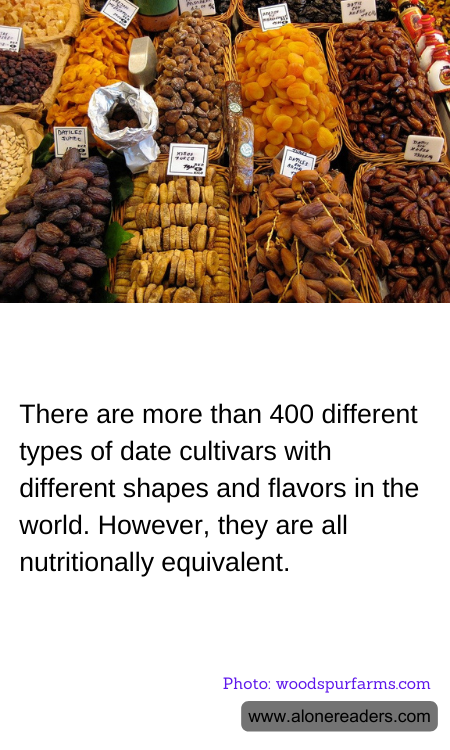
Dates, the sweet, chewy fruits of the date palm tree, are a staple in many diets worldwide, particularly in the Middle East and North Africa. With over 400 varieties, each type of date comes with its own unique shape, size, color, and flavor, catering to varying taste preferences and culinary uses. These range from the very sweet and richly flavored Medjool and Deglet Noor varieties, often found in Western supermarkets, to the less sweet but equally nutritious varieties like Barhi and Khalas, favored in various traditional dishes.
Despite the diverse array of physical and taste characteristics among the different cultivars, dates are uniformly packed with nutritional benefits. They are an excellent source of energy, primarily from natural sugars like glucose, fructose, and sucrose. Beyond their sweetness, dates are high in fiber, which aids in digestion and provides a slow release of energy, preventing the spikes in blood sugar levels commonly associated with other sweet foods.
Dates also boast a remarkable nutritional profile that includes significant amounts of essential minerals like potassium, magnesium, and copper, vital for maintaining heart health, nerve function, and overall bodily integrity. Additionally, they contain a spectrum of B vitamins, contributing to energy metabolism and red blood cell production, and antioxidant compounds such as carotenoids and phenolics, which help protect the body's cells from damage.
The nutritional equivalence among the various date cultivars makes them all equally beneficial for health, regardless of their taste and texture differences. Whether incorporated into sweet dishes, like pastries and desserts, or savory recipes, such as stews and pilafs, or simply eaten on their own, dates offer a versatile, healthful addition to the diet.
Incorporating dates into your diet could potentially contribute to improved digestive health, provide relief from constipation, support heart health, and even offer protective effects against certain diseases due to their antioxidant properties. Simple ways to enjoy them include stuffing them with nuts or cheese as an appetizer, blending them into smoothies for a natural sweetener, or chopping them up into a salad for extra texture and flavor.
With their compact nutritional benefits and a variety to suit every palate, dates demonstrate that good things indeed come in small, sweet packages. Whether you prefer the creamy texture of Medjool or the firm bite of Deglet Noor, including dates in your diet can be an excellent step towards a healthier eating pattern.
