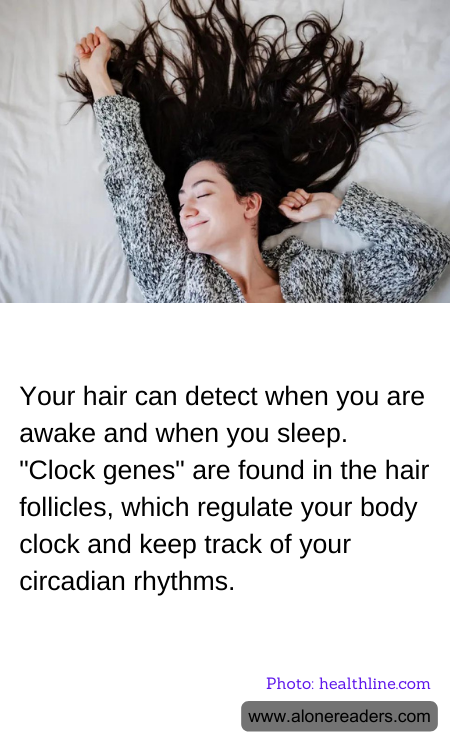
Hair is not just a part of our body that enhances physical appearance but also carries significant biological functions, including the intriguing connection with our circadian rhythms. Recent studies suggest that hair follicles contain "clock genes," which play an active role in regulating your body's internal clock. These genes, scientifically known as circadian rhythms, help determine the physical, mental, and behavioral changes that follow a 24-hour cycle, primarily influenced by light and darkness in an organism's environment.
The discovery that these clock genes are present in hair follicles adds a fascinating layer to our understanding of how deeply interconnected our body's systems are. These genes in hair follicles influence various functions such as hair growth cycles, hormone release, and even cell regeneration during different times of the day. This finding is critical as it suggests that hair can potentially serve as a biomarker for temporal biological status or reveal disorders related to the circadian system.
The circadian rhythms regulated by these genes are crucial because they dictate sleep patterns, feeding behaviors, and metabolism, all of which are vital to overall health. Disturbances in circadian rhythms have been linked to various health problems like sleep disorders, depression, obesity, and even heart diseases. Therefore, understanding how these rhythms are controlled and how they can be manipulated opens doors to innovative treatments for these conditions.
In practical terms, the role of clock genes in hair follicles could lead to personalized medical treatments where healthcare could be optimized according to a person's body clock. For instance, timing the treatment to align with an individual’s circadian rhythm might increase efficacy and reduce side effects. Additionally, this discovery also emphasizes the importance of maintaining natural light exposure, regular sleep patterns, and even the timing of meals, which can help sustain or restore a healthy circadian rhythm.
Further studies and exploration into this field are essential to leverage the full potential of how clock genes in hair follicles can aid in monitoring and managing health better. This understanding not only propels us toward more tailored healthcare solutions but also deepens our understanding of the human body's complex and interconnected mechanisms, showcasing just how synced our bodies are with the natural rhythm of the day. This knowledge also underscores the importance of lifestyle choices in maintaining the harmony of our internal clocks, ultimately influencing our overall well-being.
