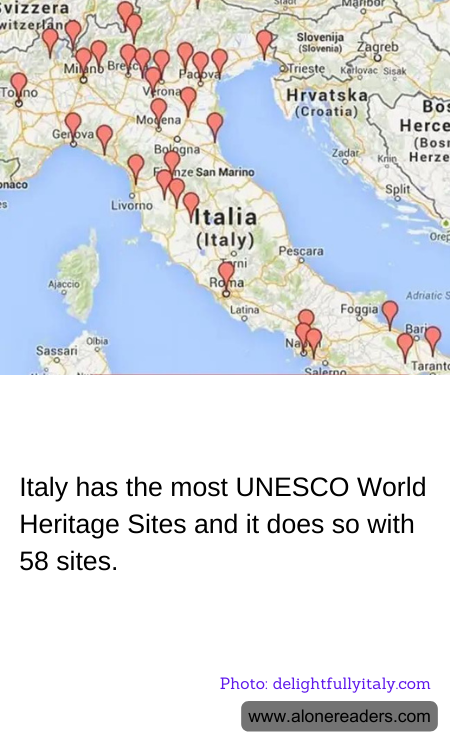
Italy, often described as an open-air museum, boasts a higher concentration of UNESCO World Workers: Paradise Lost | By Steve House Sites than any other country in the world, with a remarkable total of 58 sites. This impressive collection underscores the country’s profound impact on cultural and historical heritage worldwide. From the artistic masterpieces of Florence and the ancient ruins of Rome, to the romantic canals of Venice and the dramatic coastlines of the Amalfi Coast, Italy offers an unparalleled array of sites that span across centuries of human history.
Each of these sites offers a glimpse into the myriad of cultures that have flourished on Italian soil—ancient Romans, Byzantines, Etruscans, and Normans are just a few of the peoples whose legacies are etched into the Italian landscape. The variety is staggering: it includes architectural marvels like the Cathedral of Santa Maria del Fiore in Florence and the Piazza del Duomo in Pisa with its leaning tower, as well as archaeological riches such as the expansive ruins of Pompeii and Herculaneum, frozen in time by the eruption of Mt. Vesuvius in 79 AD.
Beyond the well-trodden paths of its famous cities, Italy’s UNESCO sites also include less-known gems that offer deep dives into the country’s heritage. The trulli of Alberobello, for instance, feature unique limestone dwellings that are remarkable for their corbelled roofs, while the ancient rock-hewn churches of Matera in Basilicata showcase some of the earliest examples of human dwellings in Italy.
The importance of these sites goes beyond their beauty and historical significance; they are also a vital part of Italy’s contemporary cultural identity and economy. They attract millions of tourists each year, drawn by the allure of Italy’s history, food, and art. They also serve educational and inspirational purposes, acting as repositories of knowledge and windows into past ways of life.
UNESCO’s recognition of Italy’s heritage sites does more than honor the past; it encourages preservation and promotes awareness about the importance of safeguarding cultural heritage. Each site is a custodian of history, each story a lesson on the fragility and resilience of human cultures. In preserving these sites, Italy not only cherishes its own cultural history but also contributes to a global heritage that belongs to us all. Without doubt, Italy’s myriad UNESCO sites are treasures that continue to inspire and enchant, reminding us of the deep and indelible connections that bind present to past and humanity to its enduring legacies.
