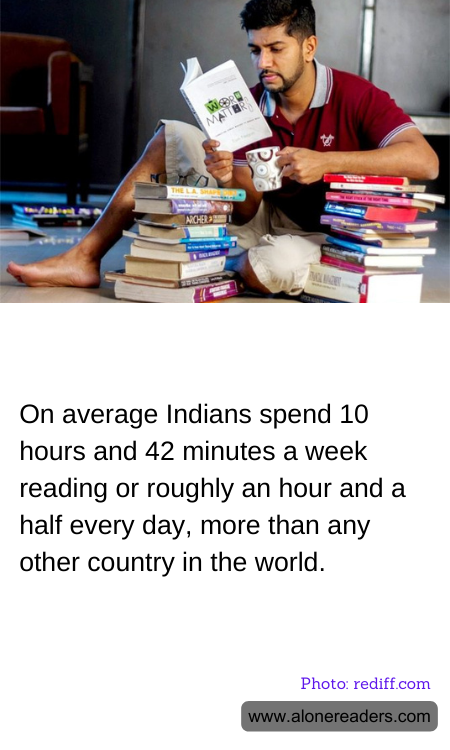
India stands at the forefront globally when it comes to reading habits, with its citizens dedicating approximately 10 hours and 42 minutes each week to this pursuit. This translates to around an hour and a half of reading every single day, a notable figure that underscores the country's robust cultural engagement with literature and the written word. The reasons behind India's leading position in global reading trends is multifaceted, reflecting both historical influences and contemporary dynamics.
The deep-rooted tradition of storytelling, which includes a rich tapestry of epics, folklore, and religious texts, plays a significant role. Indians grow up immersed in a culture where oral narratives and reading are revered, fostering a natural inclination towards literature. Educational practices in India also emphasize rote learning and extensive reading, which further ingrains reading habits from a young age.
Moreover, the proliferation of digital technology and mobile connectivity in recent years has expanded access to reading material. With the advent of smartphones and e-readers, a vast array of literature, from classic texts to contemporary works, has become available to a wide audience at minimal cost. This ease of access has undoubtedly contributed to sustaining and enhancing the reading culture among the Indian populace.
The diversity of languages and the multilingual proficiency of many Indians also fuel this penchant for reading. India's publishing industry caters to this linguistic diversity, producing books in multiple languages. This not only preserves regional literature but also fosters a tailored reading environment, appealing to a broad spectrum of readers.
Reflecting on these figures and cultural factors, it's clear that reading is more than just a pastime in India—it's a critical aspect of life that enlightens, educates, and entertains, bridging the past with the present while looking to the future. As India continues to develop economically and technologically, its reading culture is likely to evolve further, possibly setting new trends in the global literary landscape.
