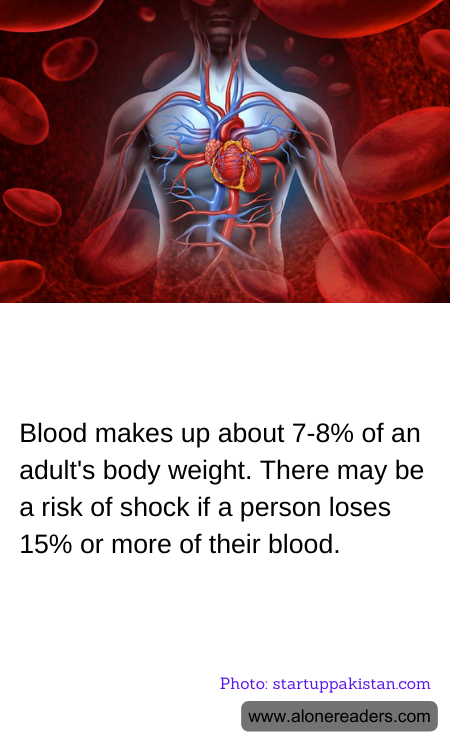
Blood is a vital fluid in the human body, responsible for numerous functions critical to maintaining life. It transports oxygen and nutrients to cells, carries away waste products, and plays a central role in immune defense and healing processes. In adults, blood typically constitutes about 7-8% of the body weight, which is roughly 4.7 to 6 liters for a person weighing approximately 150 pounds.
Losing a small amount of blood, such as the volume typically donated during a blood donation session, usually has minor and transient effects. However, if an individual loses 15% or more of their blood, there is a significant risk of developing a condition known as hypovolemic shock. This type of shock occurs when there is insufficient blood volume to adequately fill the blood vessels, severely affecting the blood flow. This can compromise the oxygen and nutrient supply to various organs and tissues throughout the body.
When blood volume is drastically reduced, the body's compensatory mechanisms kick in. The heart rate increases to pump the remaining blood faster, and blood vessels constrict to maintain blood pressure. However, if the blood loss is not controlled, these measures will eventually fail, leading to decreased blood pressure, insufficient organ perfusion, and potentially life-threatening consequences.
Symptoms of hypovolemic shock can include rapid heartbeat, weak pulse, rapid shallow breathing, cold and clammy skin, and reduced urine output. In severe cases, individuals might experience confusion, weakness, or loss of consciousness. Immediate medical attention is crucial to manage this condition, which involves stopping the blood loss and restoring the circulating blood volume through fluid resuscitation and, if necessary, blood transfusions.
Preventing excessive blood loss during medical procedures and providing swift treatment for traumatic injuries are essential to avoid the risk of shock. Public awareness about the signs of significant blood loss and understanding the importance of timely intervention can also make a critical difference in outcomes. In the context of health and safety, knowledge and preparation can significantly enhance survival rates from severe bleeding emergencies.
