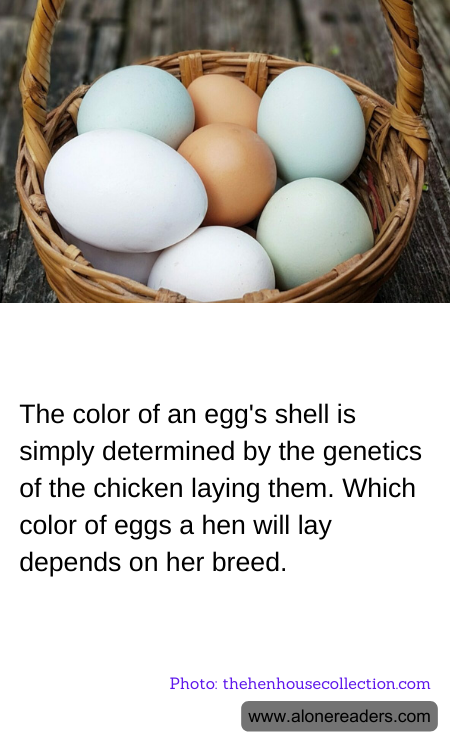
The color of a chicken's eggshell is a fascinating result of genetics that can hint at the breed of the hen. Essentially, the specific breed of the hen determines whether you'll find white, brown, blue, or even green eggs in your basket. The genetic makeup of the hen controls the presence of pigments that give the eggshells their color.
White eggs are perhaps the most common and are laid by hens with white feathers and white earlobes, such as the Leghorn, which is known for its prolific egg-laying abilities. These hens produce eggs that have no pigment on the shell; the shell is made from almost pure calcium carbonate, which is naturally white.
Brown eggs come from hens with red feathers and red earlobes, like the Rhode Island Red. The brown color is the result of a pigment called protoporphyrin, which is deposited on the eggs as they pass through the hen’s oviduct. This pigment does not penetrate the interior of the shell but instead tints the outer surface.
Interestingly, blue and green eggs are produced due to a pigment called oocyanin, which permeates the shell, resulting in the shell being colored throughout. The Ameraucana and Araucana breeds, for example, are well known for their blue eggs. The Olive Egger, a hybrid hen, is recognized for laying eggs with a greenish shell, which results from the combination of blue egg genes from one parent and brown egg genes from the other.
Moreover, factors such as diet, age, and stress levels of the hen also play subtle roles in the shading of the eggshell, though they do not alter the base color determined by the hen's breed. As a hen ages, the vividness of the egg's color might fade. Similarly, certain diets might slightly intensify or reduce the color’s vibrancy.
In terms of nutritional value, the color of the eggshell does not affect the quality or taste of the egg itself. The nutritional content remains the same across different shell colors, determined more by the hen’s diet and environment than by the color of the shell.
In conclusion, the eggshell color is a charming genetic trait that reflects the diversity and uniqueness of chicken breeds. Each shell color tells a story of lineage and breed characteristics, but no matter the color, the eggs inside offer the same nutritional benefits. This interesting aspect of egg coloration showcases not only the wonders of genetics but also highlights the beauty of nature’s diversity.
