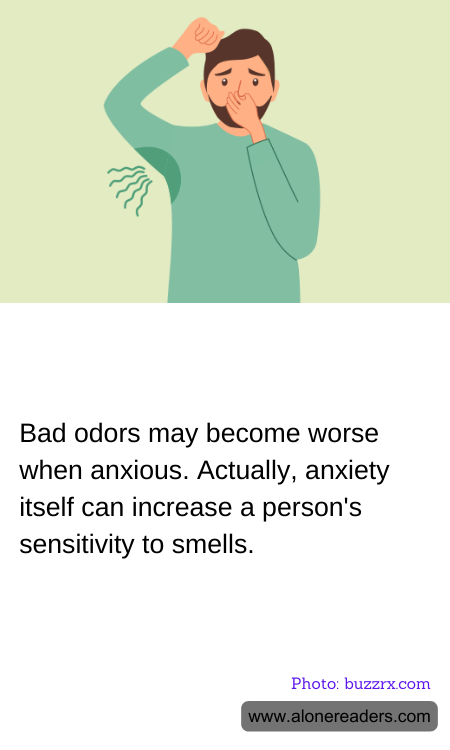
Experiencing heightened sensitivity to odors when anxious is a curious but relatively common phenomenon. Anxiety can amplify various sensory perceptions, and the sense of smell is no exception. This heightened sensitivity can make even the mildest odors seem overwhelming or unpleasant, which can exacerbate feelings of anxiety or discomfort.
The relationship between anxiety and an increased sensitivity to odors lies in the body's fight-or-flight response. This instinctual reaction is designed to protect the body from threats and involves a release of stress hormones like cortisol and adrenaline. These hormones prepare the body to either flee or confront danger, and part of this preparation involves sharpening the senses, including smell. In the wild, this heightened sense could help an animal detect predators or other dangers early. In humans, this means odors may become more potent or unpleasant when we are feeling anxious.
Research has shown that anxiety can affect the olfactory system, which is responsible for detecting and processing odors. People with anxiety may have an overactive olfaction, which not only makes them more aware of smells but might also change how their brains interpret the significance of these odors. The brain regions that process smells are closely linked to those that deal with emotional memory, especially the amygdala and the hippocubit. When anxiety is triggered, these areas can overreact, interpreting neutral or mild smells as bad or threatening.
Further complicating the situation, bad odors can themselves trigger or worsen anxiety. For example, if someone has a negative experience associated with a particular scent, encountering that scent again can evoke anxiety. This creates a vicious cycle: anxiety enhances the sense of smell, which in turn can lead to more anxiety when bad odors are detected.
To manage these effects, individuals can practice anxiety-reduction techniques such as deep breathing, meditation, or aromatherapy. Aromatherapy utilizes pleasant scents to soothe the mind and has been found to be effective in managing symptoms of anxiety and reducing the overall sensitivity to unpleasant odours. By employing such strategies, it is possible not only to decrease anxiety but also to bring one's sense of smell back to more normal levels, breaking the cycle of sensory overload and emotional turmoil.
Understanding this connection between anxiety and the sense of smell can be crucial for individuals who might otherwise be puzzled or distressed by their sudden aversion to smells they previously tolerated, aiding in better management of both their sensory perceptions and their anxiety.
