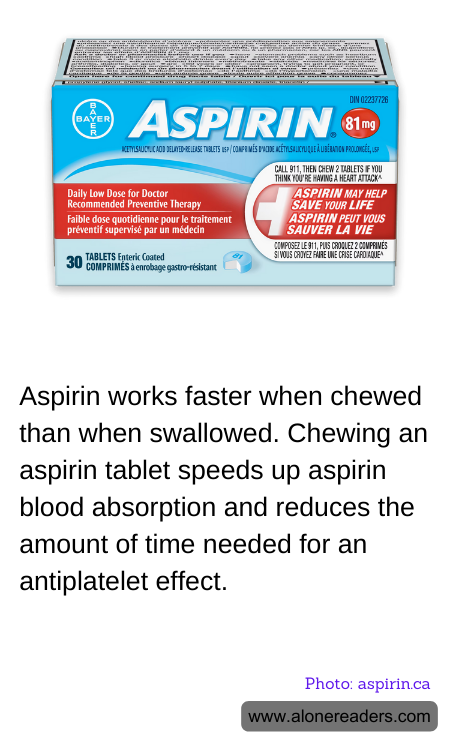
Aspirin, a common nonsteroidal anti-inflammatory drug (NSAID), is widely used for its pain-relieving, fever-reducing, and anti-inflammatory properties. It is also frequently used in a cardioprotective role, helping to prevent blood clots in patients at risk of cardiovascular events such as heart attacks and strokes. The manner in which aspirin is ingested can significantly affect how quickly it begins to work, particularly in emergency situations where rapid onset of action is desired.
When aspirin is swallowed whole, the tablet must first disintegrate in the stomach before the active ingredient can be absorbed into the bloodstream through the gastrointestinal tract. This process can take significant time, which might be a drawback in acute situations. The tablet's coating, designed to prevent stomach upset by delaying dissolution until it reaches the small intestine, can further slow the absorption process.
In contrast, chewing an aspirin tablet breaks it down into smaller particles, which increases the surface area exposed to the stomach's acidic environment. This enhanced dissolution means that the active ingredients are absorbed more quickly into the bloodstream. Studies have shown that chewed aspirin can provide antiplatelet effects significantly faster than swallowed whole tablets, which can be particularly crucial during cardiovascular emergencies where time is of the essence.
Moreover, the quicker absorption of chewed aspirin makes it a preferred method for immediate relief, be it for alleviating heart attack symptoms or other acute pain episodes. It is essential, however, to balance this method with the potential for stomach upset, as chewing aspirin increases gastric acid exposure to salicylates, which can irritate the stomach lining.
To sum up, while swallowing aspirin is effective for routine preventive care and non-urgent issues, chewing the tablet is an alternative that offers a faster onset of action, beneficial in situations requiring rapid pain relief or during cardiovascular events. Patients at risk of such emergencies might be advised to keep chewable aspirin accessible and to discuss its use with their healthcare provider to adequately weigh the benefits against potential gastrointestinal side effects. The decision on how to take aspirin should always be guided by professional medical advice tailored to individual health circumstances and needs.
