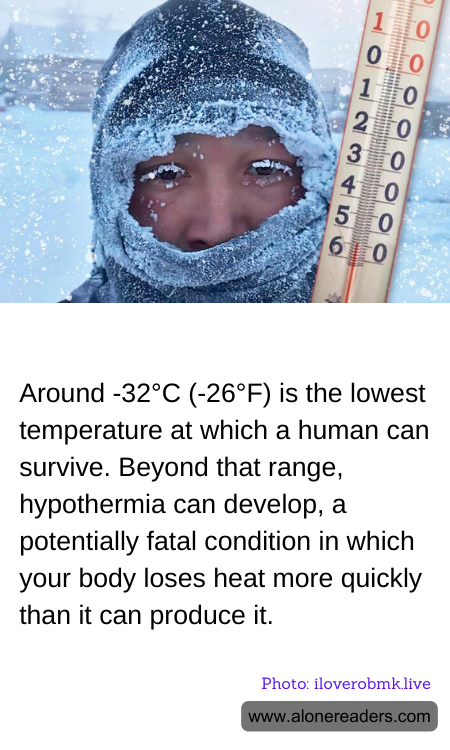
Surviving in extreme cold is a formidable challenge for any human. Around -32°C (-26°F) marks the lowest temperature at which survival is generally possible. At or beyond this critical threshold, the risk of hypothergia increases significantly. Hypothermia occurs when the body loses heat faster than it can produce it, causing core body temperature to drop dangerously low. This can lead to a host of critical health issues, including frostbite, freezing of body tissues, and potentially fatal heart and respiratory problems.
The body employs several mechanisms to combat cold. Initially, shivering generates heat through muscle activity. Blood vessels constrict to conserve heat, particularly around critical internal organs. However, these responses alone may not suffice in extremely cold environments without adequate protection and warmth.
To improve chances of survival in such harsh conditions, proper insulation and clothing are crucial. Layers of clothing, including materials like wool and synthetic fibers that retain heat even when wet, can be critical. Additionally, understanding the signs of hypothermia, which include shivering, slurred speech, slow breathing, and confusion, is vital so that steps can be taken to address the condition as soon as they are recognized.
Moreover, while the human body can potentially withstand lows of -32°C, factors such as wind chill and wetness can make lower temperatures feel even more severe, thereby increasing the risk of hypothermia. Hence, in extremely cold weather, it is equally important to find shelter, keep dry, and use external heat sources if possible to prevent body temperature from falling to lethal levels.
In conclusion, while -32°C is near the survival limit, preparation and knowledge can significantly enhance one’s survival prospects. Recognizing the seriousness of hypothermia and taking proactive measures to combat the cold are crucial steps in safely navigating such extreme conditions. Indeed, with the right protective measures, humans can survive even in the most severe winter environments, though not without considerable risks.
