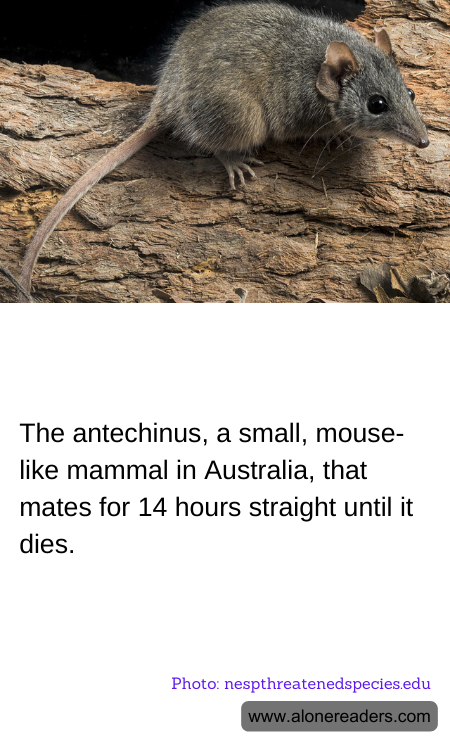
The antechinus, a remarkable small marsupial found in Australia, has captured the attention of biologists and animal enthusiasts alike due to its unusual and fatal mating behavior. This tiny, mouse-like creature undergoes a phenomenon known as "suicidal reproduction" or semelparity, which is as dramatic as it sounds. During the mating season, which occurs once a year, male antechinus engage in intense and frenzied copulation sessions that can last up to 14 hours with multiple partners. This extreme physical exertion is driven by a biological imperative to pass on their genes before they die.
The reason behind this fatal mating strategy is linked to the antechinus' unique reproductive system and life cycle. As the mating season commences, male antechinus experience a sharp increase in stress hormones, such as cortisol and adrenaline, which effectively shut down their immune system and lead to a rapid deterioration of their physical health. Additionally, the males stop eating during the mating period, devoting all their energy and resources to reproduction. The consequences are severe - organ failure, infections, and ultimately, death shortly after the mating season concludes.
This may seem like a tragic fate, but it is an evolutionary strategy that benefits the species. By sacrificing themselves, the males reduce competition for resources, ensuring that the surviving females and offspring have enough to sustain themselves. Furthermore, this method of mating ensures that only the strongest and most resilient males get to pass on their genes, thus contributing to the overall health and vigor of the species.
Researchers continue to study the antechinus not only to understand more about its unique mating patterns but also for insights into mammalian biology and evolutionary strategies. Comparisons are often drawn with other organisms that exhibit similar reproductive behaviors, helping scientists to uncover the broader ecological and evolutionary impacts of such extreme life history strategies.
In light of these fascinating aspects, the antechinus serves as a poignant reminder of the sheer diversity and complexity of nature. It also underscores the principle that in the wild, reproductive success often comes at a significant cost. The life and death of these small mammals emphasize the harsh realities and the delicate balance of ecosystems where every creature plays a distinct, and sometimes surprising, role.
