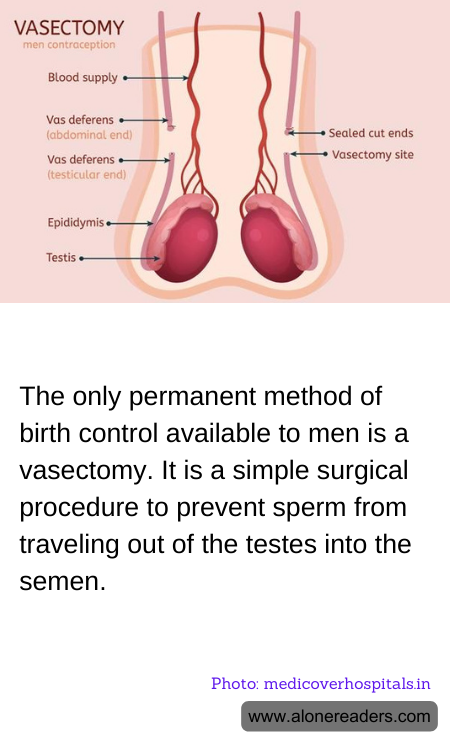
Vasectomy is the most reliable form of permanent birth control available to men. It's a surgical technique that aims to provide a permanent solution to male contraception by cutting and sealing the tubes that carry sperm from the testicles to the semen. This procedure is straightforward and is generally carried out in a doctor’s office or outpatient clinic, requiring only local anesthesia.
A vasectomy is considered minor surgery but is highly effective, with a success rate exceeding 99%. During the procedure, the vas deferens — the ducts that transport sperm from the testicles to the urethra — are cut or blocked. This prevents sperm from mixing with the semen that is ejaculated from the penis. Thus, although the semen still exists, it has no sperm in it and cannot cause pregnancy.
The process is quick, typically taking about 20 to 30 minutes, and most men can return to non-strenuous work within a few days. Post-operation, patients may experience mild discomfort, swelling, or bruising, but serious complications are rare. It's crucial to follow the doctor’s advice on recovery to avoid any complications.
It's important to note that a vasectomy doesn't offer immediate sterility. After the procedure, residual sperm can remain in the vas deferens for several months, requiring alternative contraception until cleared. Doctors usually recommend ejaculating around 20 times or waiting a few months before performing a semen analysis to confirm the absence of sperm.
For those considering this option, it's essential to be certain about not wanting children in the future. While vasectomy reversal surgeries are possible, they are not always successful and are more complicated and expensive than the initial vasectomy procedure.
A vasectomy is an efficient, cost-effective, and low-risk option, making it an attractive choice for many men worldwide who are sure they do not want to father children in the future. It allows sexual spontaneity and can contribute to a stress-free sexual relationship without the concern of unplanned pregnancy. However, it does not protect against sexually transmitted infections, so other protection methods would be needed depending on one's circumstances.
Men considering a vasectomy should have thorough discussions with their healthcare provider, ensuring all queries and concerns are addressed before going ahead with this irreversible form of contraception.
