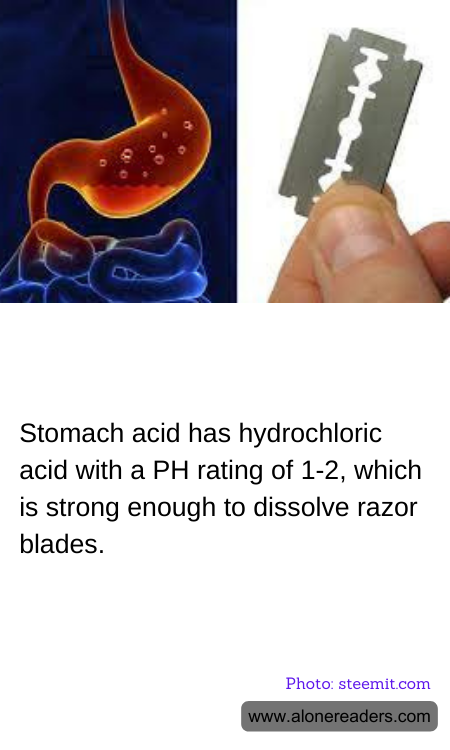
Stomach acid, primarily composed of hydrochloric acid (HCl), plays a pivotal role in digestion and maintaining a healthy gut. Remarkably, the pH levels of stomach acid typically range from 1 to 2, making it one of the most acidic environments in the human body. This high level of acidity is crucial as it helps break down food, particularly tough protein fibers, making it easier for the body to absorb nutrients.
The concentration and strength of hydrochloric acid in the stomach also serve an essential protective function. It acts as a barrier, killing most bacteria and pathogens that enter the stomach with food, thus reducing infections and illnesses. This acidic environment also activates the enzyme pepsin, which is critical to the digestion of proteins, by converting it from its inactive form, pepsinogen.
The acidic nature of stomach acid is so strong that, theoretically, it can dissolve metals, including a razor blade. However, while this is scientifically plausible due to the corrosive nature of hydrochloric acid, the process would take an extended period and is not advisable as an experiment due to the potential for damage and harmful reactions within the stomach.
Nonetheless, despite its strength, stomach acid typically does not harm the stomach itself. This is because the stomach is protected by a layer of mucus, which lines the stomach walls and shields them from the effects of the acid. When these protective mechanisms fail, it can lead to ulcers or other gastrointestinal issues. Managing the balance of stomach acid is, therefore, crucial for digestive health and overall well-being. Treatments for excess stomach acid often involve antacids, which neutralize acid, or medications that reduce acid production. Conversely, low stomach acid can be bolstered by dietary adjustments or supplements under medical guidance.
In conclusion, while the extreme acidity of stomach acid is capable of dissolving materials as strong as metal, this fact highlights the powerful and vital role stomach acid plays in the digestive system. The balance of stomach acid production is critical for effective digestion and the prevention of gastrointestinal disorders.
