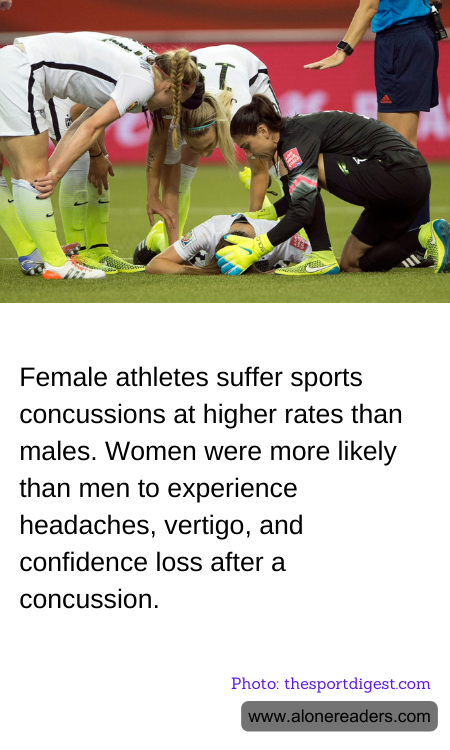
Recent studies have underscored a compelling gender gap in sports-related concussions, revealing that female athletes are more prone to sustain concussions compared to their male counterparts. Intriguingly, not only are the incidence rates higher among women, but the nature and severity of symptoms post-concussion also differ significantly by gender. Women are more likely to report a range of debilitating symptoms following a concussion, including persistent headaches, vertigo, and even a marked loss in confidence, which could impede their return to sports and impact their quality of life.
The reasons behind this disparity are multifacarious and still under robust scientific scrutiny. Preliminary research suggests that neck strength, hormonal differences, and blood flow patterns to the brain may contribute to the increased susceptibility among female athletes. Women typically have less neck strength compared to men, which might lead to more significant brain movement when a blow is delivered to the head or body, thereby increasing the risk and severity of a concussion. Hormonal variations, particularly levels of progesterone and estrogen, might also influence the brain's response to trauma.
The repercussions of these findings are profound, prompting a reevaluation of training, prevention, and treatment protocols to better safeguard female athletes. For instance, tailored training programs that strengthen neck muscles or varying strategies based on hormonal fluctuations during menstrual cycles could be potential approaches to mitigate risks. Moreover, the diagnostic criteria and rehabilitation protocols might need adjustment to better address the specific post-concussion symptomatology in women.
The heightened risk and differing symptoms experienced by women post-concussion have significant implications for sports organizations, coaches, medical professionals, and policymakers. Given that women are more likely to experience prolonged symptoms, there is a crucial need for enhanced surveillance and tailored management strategies that cater specifically to female athletes. Establishing more gender-sensitive practices in sports medicine is not only crucial for the safety and well-being of female athletes but could also lead to more equitable sports practices and better health outcomes.
In summary, the phenomenon of sports concussions reveals another layer of complexity when viewed through the lens of gender. Addressing this issue effectively calls for a gender-informed approach in sports science and medicine to ensure that female athletes receive the attention, prevention, and care they require. This effort must be multidimensional, involving rigorous research, community education, and policy changes that collectively aim to protect and empower women in the athletic domain.
