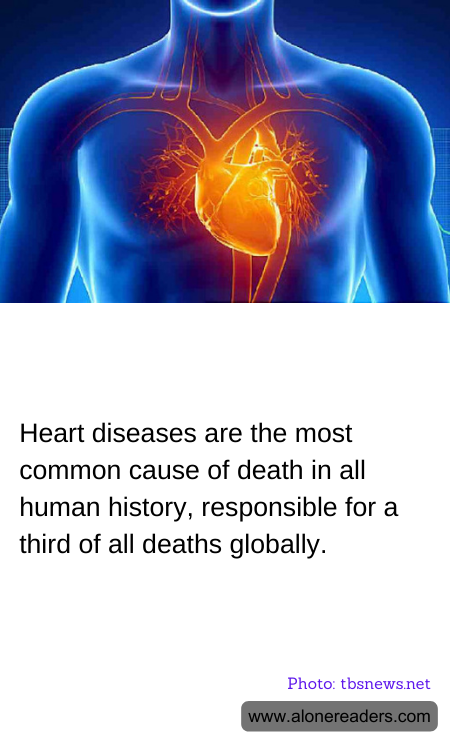
Cardiovascular diseases, commonly known as heart diseases, have been a leading threat to global health for centuries. Accounting for approximately one-third of all deaths worldwide, these ailments remain the top cause of mortality, surpassing even cancer and infectious diseases. The term "heart disease" encompasses a variety of conditions including coronary artery disease, which involves the narrowing or blocking of the coronary arteries, heart attack, arrhythmias, and congestive heart failure, among others.
The roots of heart diseases are multifaceted, often attributed to a combination of genetic, environmental, and lifestyle factors. Unhealthy diets, lack of physical activity, smoking and excessive use of alcohol have been prominently linked to the development of heart conditions. Moreover, conditions like high blood pressure, high cholesterol, and diabetes significantly elevate the risk.
Efforts to combat these diseases are multifacycled, involving public health policies aimed at promoting better lifestyle choices, research into new treatment methods, and healthcare strategies focused on the management of symptoms and prevention of disease progression. Governments and health organizations worldwide advocate for regular exercise, balanced diets, and smoking cessation as foundational steps to prevention.
Advances in medical technology and pharmaceuticals over the past few decades have remarkably improved the survival rates for heart disease patients. Innovative treatments, such as angioplasty, and medicines like statins help manage and treat various heart conditions effectively. Despite these advancements, the burden of heart diseases continues to pose significant challenges due to aging populations and the increasing prevalence of contributing factors like obesity.
Public awareness and education on the importance of heart health are crucial in combating this pervasive threat. Recognizing the symptoms of heart diseases, which may include chest pain, breathlessness, and unusual fatigue, and seeking timely medical consultation can be lifesaving. Furthermore, integrating heart-healthy practices into daily life is essential for both prevention and management of heart diseases, making it imperative for communities and individuals to foster environments that support healthy choices and behaviors.
As the global population continues to grapple with the high incidence of heart diseases, it remains imperative for ongoing research, better healthcare policies, and community support systems to address this leading cause of death, aiming for a future where heart health is a priority for all.
