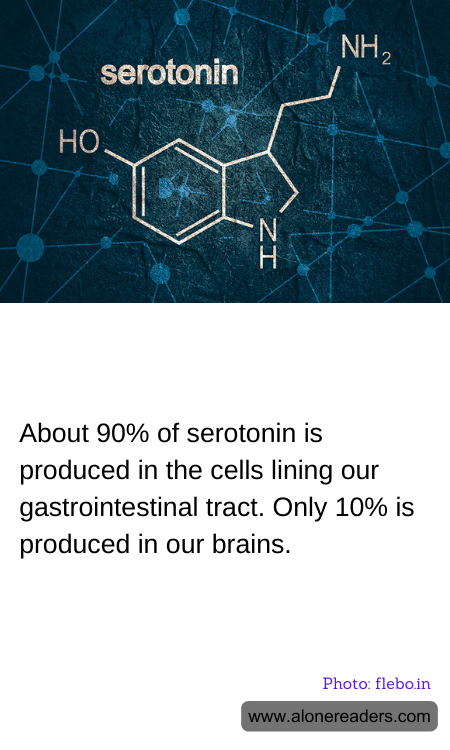
Serotonin, a key hormone that stabilizes our mood, feelings of well-being, and happiness, is predominantly produced not in the brain, as many might assume, but in the gastrointestinal tract. About 90% of our body’s serotonin is synthesized in the enterochromaffin cells in the lining of the gut, where it plays a crucial role not only in regulating intestinal movements but also in overall well-being.
This discovery explains why our digestive system not only helps to process food but also guides our emotions. The production of serotonin in the gut is influenced by the bacteria that make up our microbiome, with a poor diet and bad gut health potentially leading to lower serotonin levels. This, in turn, can contribute to various emotional and psychological problems, such as depression or anxiety.
The remaining 10% of serotonin is synthesized in the central nervous system, where it transmits signals between nerve cells in the brain and is thought to be primarily involved in regulating mood, anxiety, and happiness. The brain's serotonin is implicated in various complex psychological functions, from behaviors related to mood and anxiety to regulating the sleep-wake cycle, appetite, and cognitive functions including memory and learning.
Understanding the relationship between gut health and mood has sparked interest in the medical community, emphasizing the potential for gastrointestinal treatments to serve as a method for managing mood disorders. For instance, probiotics and changes in diet are being explored as avenues to influence the microbiome, and thus potentially enhance or stabilize serotonin levels associated with better mood and mental health outcomes.
Maintaining a balanced diet rich in fiber and consuming probiotics can promote a healthier gut environment, enabling better serotonin production and overall health. This, coupled with direct treatments targeting serotonin levels in the brain, represent a comprehensive approach to treating and managing disorders linked to low serotonin. Therefore, nurturing gut health appears to be a vital component in promoting emotional and psychological well-being, illustrating the profound interconnectedness of our body systems.
