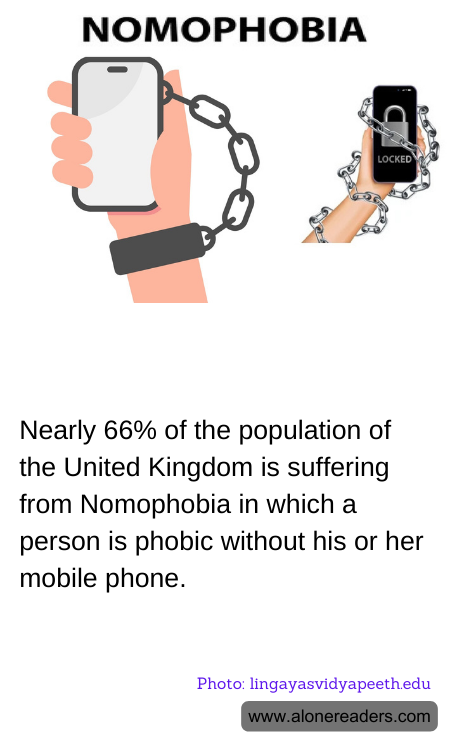
In an increasingly connected world, the phenomenon of Nomophobia, or the fear of being without a mobile phone, is becoming more prevalent, particularly in the United Kingdom where studies show that nearly 66% of the population experiences this anxiety. Nomophobia encompasses a range of fears related to losing connectivity including the fear of losing contact with others, the fear of not being able to access information immediately, and the fear of missing out on important notifications or social updates.
The rapid integration of smartphones into daily life over the past two decades is a key contributor to this phenomenon. Mobile devices are no longer just tools for communication; they have become integral to the way people manage their personal and professional lives. From navigating to new locations, managing schedules, and processing payments, to consuming media, the functionalities are extensive and ingrained in daily routines. This heavy reliance on smartphones creates a dependency that can foster anxiety when the device is not available.
The consequences of Nomophobia can range from mild inconvenience to severe anxiety and disruption of day-to-day activities. It may also impact mental health, contributing to conditions such as anxiety and depression. This dependence also disrupts social interactions and can reduce the quality of face-to-face communications. Moreover, the constant need to check notifications can lead to increased stress and difficulty concentrating.
Addressing Nomophobia involves acknowledging the problem and taking proactive steps to mitigate its effects. Strategies might include setting specific times to check notifications rather than doing so continuously, using features like "Do Not Disturb" during key times of the day, and making conscious efforts to engage more with the physical environment rather than the digital one. Counseling and therapy can also be effective, especially for those whose daily functioning or mental health is significantly impacted.
As society continues to evolve with technology, understanding and addressing the impacts of such technological dependencies will be crucial. Balancing the undeniable benefits of digital connectivity with potential psychological risks is essential for fostering healthier relationships with technology.
