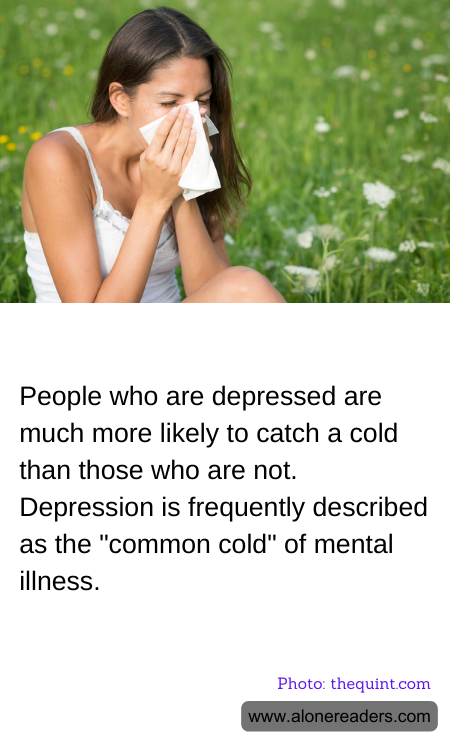
Depression, often termed as the "common cold" of mental health due to its widespread nature, intricately affects more than just mental health; it has a palpable impact on physical health as well. Research shows that individuals suffering from depression are significantly more susceptible to contracting illnesses like the common cold. This heightened vulnerability can be attributed to several factors that intertwine the psychological state with the physical functioning of the body.
The immune system functions less effectively in those who are depressed. Depression triggers increased levels of stress hormones such as cortisol, which in turn can suppress the immune system's ability to fight off antigens, making it easier for infections like the common cold to take hold. Moreover, depression can lead to poorer lifestyle choices such as inadequate nutrition, lack of exercise, and insufficient sleep, all of which can further weaken the body's defenses against colds and other infections.
Furthermore, people with depression might experience a decline in their social support networks, which can lead to increased feelings of isolation and stress, exacerbating both the depression and the body's vulnerability to illness. The psychological strain can manifest physically, showing that the mind and body are not just interconnected but deeply interdependent.
From a biochemical perspective, recent studies also suggest that inflammatory responses linked to depression could influence the pathology of a wide range of other physical illnesses. Persistent inflammation can harm tissues and organs and interfere with normal immune responses, making it even harder for the body to ward off common pathogens like those that cause the cold.
Addressing this issue goes beyond merely managing the symptoms of depression or the common cold. It involves a holistic approach to health, integrating strategies that boost both mental and physical well-being. Effective management might include psychological therapy, medication, sufficient sleep, physical activity, and a balanced diet, thereby improving both mental health and immune function. Additionally, social support from friends, family, or support groups can provide emotional sustenance, which is essential for recovery and overall health.
In summary, the relationship between depression and susceptibility to illnesses like the common cold serves as a powerful reminder of the intricate links between the mind and the body. Addressing this dual vulnerability requires comprehensive strategies that enhance overall well-being, underscoring the importance of holistic health practices in our lives. Recognizing and treating depression not only alleviates mental distress but also enhances one's ability to fight physical illnesses, ultimately leading to a healthier, more resilient life.
